
Understanding Hybrid Cloud Computing
Definition and benefits of Hybrid Cloud
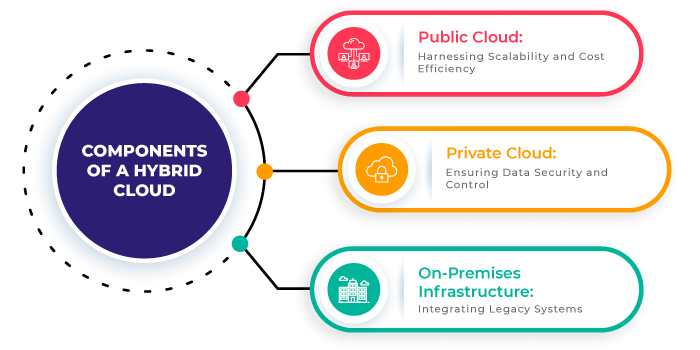
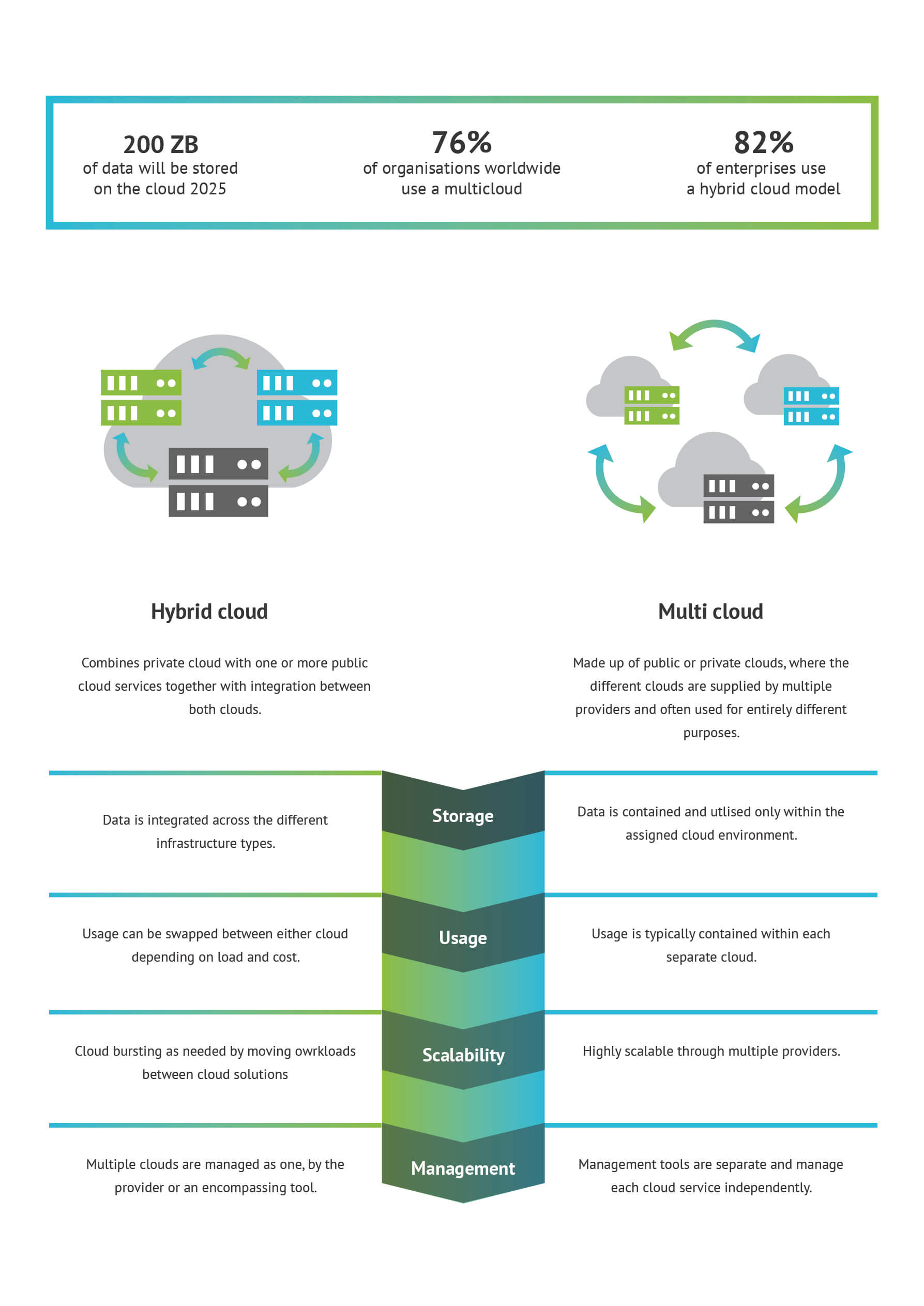
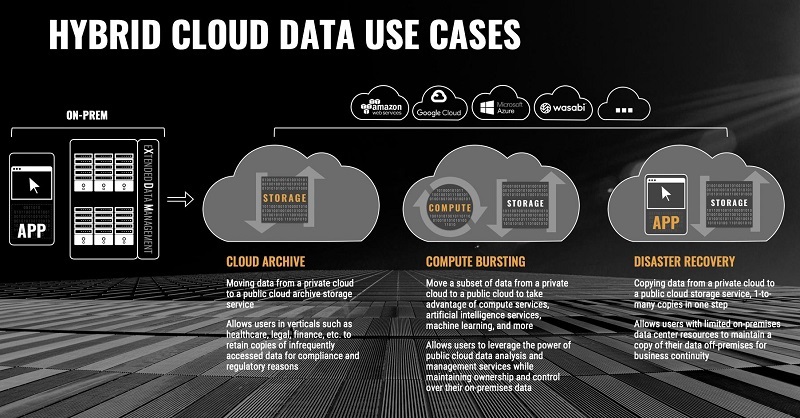
Hybrid cloud computing combines elements of both public and private cloud services, allowing organizations to leverage the benefits of both models. This approach provides flexibility, scalability, and cost-efficiency as it enables data and applications to be stored based on security or compliance requirements. Furthermore, hybrid clouds offer improved disaster recovery capabilities through redundancy across multiple environments.
Considerations for implementing a Hybrid Cloud strategy
When implementing a hybrid cloud strategy, organizations must consider factors such as data security, compatibility between different cloud environments, network connectivity requirements, and resource management. It is essential to establish clear policies for workload placement based on performance needs and regulatory obligations. Regular monitoring and optimization are crucial to ensure the efficiency and effectiveness of the hybrid cloud environment.
Leveraging Public Cloud Services
Integration of Public Cloud services in a Hybrid Cloud setup
Integrating public cloud services in a hybrid cloud environment allows organizations to access additional resources without having to invest heavily in infrastructure. By extending their capabilities with public cloud offerings, businesses can optimize workloads and enhance flexibility while maintaining control over sensitive data through private cloud components.
Optimizing efficiency with Public Cloud resources
By leveraging public cloud resources effectively, organizations can achieve cost savings and streamline operations. Public clouds provide on-demand scalability, allowing businesses to adjust resource allocation based on demand fluctuations. This optimization enhances performance and ensures that the hybrid cloud environment remains agile and responsive to changing business needs.
Utilizing Private Cloud Infrastructure
Benefits of Private Cloud in a Hybrid Cloud environment
Employing private cloud infrastructure within a hybrid setup offers organizations enhanced security, compliance, and customization options. It allows for tailored configurations to meet specific business needs while maintaining data integrity and regulatory requirements. The seamless integration of private cloud services optimizes performance and resource allocation, providing a robust foundation for critical workloads.
Security and control aspects of Private Cloud deployment
Private cloud deployments ensure heightened security measures by keeping sensitive data isolated from public environments. Organizations have full control over access rights, encryption protocols, and compliance frameworks. With dedicated resources and enhanced monitoring capabilities, private clouds offer increased protection against cyber threats and unauthorized intrusions, safeguarding valuable assets effectively.

Utilizing Private Cloud Infrastructure
Benefits of Private Cloud in a Hybrid Cloud environment
Employing private cloud infrastructure within a hybrid setup offers organizations enhanced security, compliance, and customization options. It allows for tailored configurations to meet specific business needs while maintaining data integrity and regulatory requirements. The seamless integration of private cloud services optimizes performance and resource allocation, providing a robust foundation for critical workloads.
Security and control aspects of Private Cloud deployment
Private cloud deployments ensure heightened security measures by keeping sensitive data isolated from public environments. Organizations have full control over access rights, encryption protocols, and compliance frameworks. With dedicated resources and enhanced monitoring capabilities, private clouds offer increased protection against cyber threats and unauthorized intrusions, safeguarding valuable assets effectively.
Hybrid Cloud Management Tools
Tools for monitoring and managing Hybrid Cloud environments
Automation and orchestration solutions for efficient workload management
Data Management in Hybrid Cloud
Strategies for data storage and synchronization in a Hybrid Cloud setup
Organizations leverage private cloud infrastructure in hybrid environments for improved security, compliance, and tailored configurations. Data integrity and regulatory needs are maintained while optimizing performance and resource allocation seamlessly for critical workloads.
Ensuring data security and compliance in a Hybrid Cloud environment
In Private Cloud deployments within a hybrid model, organizations emphasize heightened security measures by isolating sensitive data. Full control over access rights, encryption protocols, and compliance frameworks ensure protection against cyber threats effectively.
Hybrid Cloud Management Tools
Tools for monitoring and managing Hybrid Cloud environments
Automation and orchestration solutions for efficient workload management
.
Scalability and Flexibility
Scaling resources dynamically in a Hybrid Cloud architecture
In hybrid cloud setups, organizations can dynamically scale resources based on workload demands. This ensures optimal performance without overprovisioning infrastructure, leading to cost-efficiency and improved agility in responding to changing business requirements.Flexibility in workload distribution and resource allocation
Hybrid cloud environments offer the flexibility to distribute workloads across public and private clouds based on specific requirements. This enables organizations to allocate resources efficiently, ensuring that each workload receives the necessary computing power and storage capabilities for optimal performance.
Cost Optimization
Factors affecting cost in a Hybrid Cloud model
Cost in a hybrid cloud model can be influenced by factors such as data transfer and storage rates, usage patterns, and the choice of cloud services. Understanding these factors is crucial for effective cost management and optimization.Best practices for cost-efficient Hybrid Cloud deployment
Implementing cost-efficient practices like rightsizing instances, utilizing reserved instances or spot instances, automating workload scheduling, and monitoring resource utilization can help optimize costs in hybrid cloud deployments. Regularly reviewing and adjusting resources based on actual usage can lead to significant savings.






0 Comments