
The web has transitioned from a static landscape of information to a dynamic space of interactive experiences. Websites are no longer mere repositories of text and images but interactive platforms that engage users with real-time updates, personalized content, and dynamic functionalities. This transformation is powered by the realm of Dynamic Web Application Development.
What are Dynamic Web Applications?
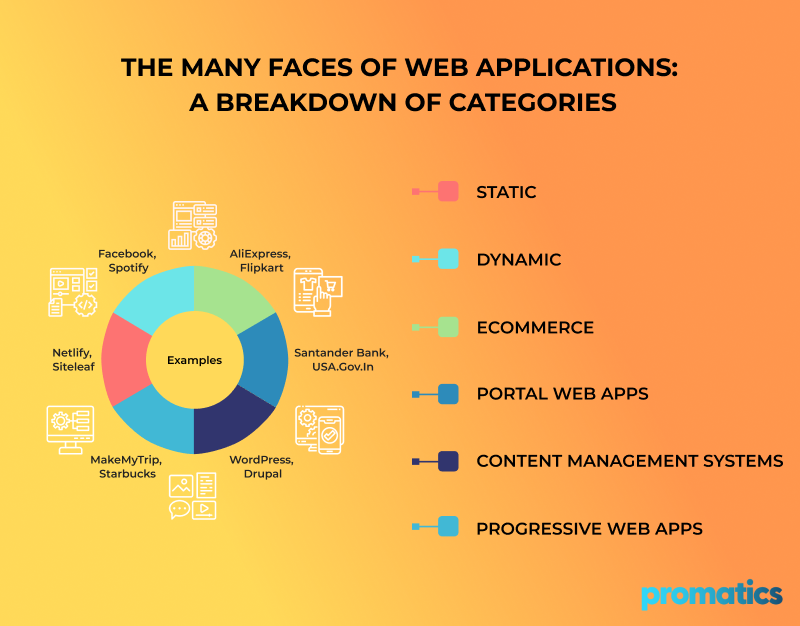
Dynamic web applications are websites that can adapt and change their content based on user actions or external factors. Unlike static websites, which display the same content to all visitors, dynamic websites personalize experiences, provide interactive features, and offer real-time updates.
Key Features of Dynamic Web Applications:
User Interaction: Dynamic websites allow users to interact with the website, such as submitting forms, searching for information, or making purchases.
Data Persistence: They store and retrieve data from a database, enabling users to create accounts, save preferences, and access their information across sessions.
Real-time Updates: Dynamic websites can update their content in real-time, such as displaying live news feeds, displaying stock prices, or showing the number of users online.
Personalization: Dynamic websites can personalize content and features based on user preferences, browsing history, or demographics.
Crafting Engaging Chat Applications: Real-Time Communication Made Easy
In the digital age, the demand for real-time communication has grown exponentially. Chat applications have become an essential tool for businesses, social platforms, and personal interactions. Developing engaging and responsive chat applications is a crucial aspect of dynamic web application development.
Implementing Real-Time Messaging:
WebSockets: WebSockets provide a two-way communication channel between the client and the server, enabling real-time data exchange. This technology is often used as the foundation for building chat applications.
Server-Sent Events (SSE): SSE is an alternative to WebSockets, where the server can push data to the client, allowing for real-time updates without the need for the client to constantly poll the server.
Polling and Long-Polling: While less efficient than WebSockets or SSE, polling and long-polling techniques can also be used to achieve real-time communication in web applications.
Designing User-Friendly Chat Interfaces:
Responsive Design: Ensuring that the chat interface is responsive and adapts to various screen sizes and devices is crucial for providing a seamless user experience.
Message Threads and Grouping: Organizing chat messages into threads or groups based on context or participants can enhance the overall user experience.
Typing Indicators and Read Receipts: Incorporating features like typing indicators and read receipts can improve the sense of engagement and real-time interaction.
Scaling and Securing Chat Applications:
Load Balancing and Clustering: Implementing load balancing and clustering techniques can help handle large volumes of concurrent users and ensure the scalability of the chat application.
Data Encryption and Security: Implementing robust security measures, such as end-to-end encryption and secure authentication, is essential for protecting sensitive user data in chat applications.
Persistent Storage and Message History: Providing users with the ability to access their chat history and maintain a persistent record of conversations is a valuable feature for chat applications.
Unlocking the Power of Web APIs: Connecting your Apps to the World

Web APIs (Application Programming Interfaces) have become the backbone of modern web application development, enabling seamless integration and data exchange between various systems and services. By leveraging web APIs, developers can unlock a wealth of functionality and data, empowering their web applications with enhanced features and capabilities.
Consuming and Integrating Web APIs:
API Discovery and Documentation: Understanding how to navigate the vast ecosystem of web APIs, discover relevant APIs, and comprehend their documentation is a crucial step in integrating web APIs into your web applications.
Authentication and Authorization: Implementing secure authentication and authorization mechanisms, such as OAuth 2.0, is essential for interacting with web APIs that require user or application-level access.
Error Handling and Graceful Degradation: Anticipating and handling API-related errors, as well as providing graceful degradation for users, ensures a robust and reliable web application experience.
Extending Functionality with Web APIs:
Social Media Integration: Integrating with popular social media platforms, such as Facebook, Twitter, or Instagram, can enhance the social features and engagement of your web application.
Geolocation and Mapping: Leveraging web APIs that provide geolocation data and mapping capabilities can enable location-based features and services within your web application.
Payment Processing: Integrating with payment gateways and financial APIs can enable e-commerce functionality, allowing users to make secure transactions through your web application.
Designing API-Driven Architectures:
Microservices and Service-Oriented Architecture (SOA): Adopting an API-driven, microservices-based architecture can improve the scalability, modularity, and maintainability of your web application.
API Versioning and Backward Compatibility: Implementing a robust API versioning strategy and ensuring backward compatibility can help manage the evolution of your web application's API ecosystem.
API Monitoring and Analytics: Monitoring the usage, performance, and health of your web application's APIs can provide valuable insights for optimization and decision-making.
Mastering Front-End Frameworks: Building User-Friendly Interfaces

The front-end of a web application is the primary interface through which users interact with your application. Mastering front-end frameworks is crucial for creating visually appealing, responsive, and user-friendly interfaces that engage your audience.
Understanding Front-End Frameworks:
Popular Front-End Frameworks: Some of the most widely used front-end frameworks include React, Angular, Vue.js, and Ember.js. Each framework has its own strengths, features, and learning curve.
Component-Based Architecture: Front-end frameworks often embrace a component-based architecture, where the user interface is built from reusable, encapsulated components.
State Management and Data Flow: Front-end frameworks provide mechanisms for managing the state of the application and controlling the flow of data between components.
Developing Responsive and Accessible Interfaces:
Responsive Design Principles: Applying responsive design principles, such as mobile-first development, fluid grids, and media queries, ensures that your web application adapts seamlessly to various screen sizes and devices.
Accessibility Standards: Adhering to web accessibility standards, such as WCAG (Web Content Accessibility Guidelines), ensures that your web application is inclusive and can be used by individuals with disabilities.
User Experience (UX) Considerations: Incorporating best practices in user experience design, such as intuitive navigation, clear visual hierarchy, and usability testing, can greatly enhance the overall user experience of your web application.
Integrating Front-End with Back-End:
API Integration: Seamlessly integrating your front-end application with the back-end API, ensuring efficient data exchange and a cohesive user experience.
State Synchronization: Maintaining the synchronization of state between the front-end and back-end, especially in the context of real-time updates and user interactions.
Performance Optimization: Optimizing the front-end performance, leveraging techniques like code splitting, lazy loading, and efficient data fetching, to deliver a fast and responsive web application.
Back-End Technologies for Scalable Web Applications

The back-end of a web application is responsible for the server-side logic, data processing, and API management. Choosing the right back-end technologies is crucial for building scalable, secure, and efficient web applications.
Server-Side Scripting Languages:
Node.js (JavaScript): Node.js is a popular back-end runtime environment that allows developers to use JavaScript, a client-side scripting language, for server-side programming.
PHP: PHP is a widely-used server-side scripting language that has been a staple in web application development for decades.
Python: Python is a versatile and powerful programming language that is often used for back-end development, with frameworks like Django and Flask.
Ruby: Ruby, often used with the Ruby on Rails framework, is another popular choice for building back-end web application logic.
Application Frameworks and Libraries:
Node.js Frameworks: Popular Node.js frameworks include Express.js, Koa.js, and Nest.js, which provide robust features and conventions for building scalable web applications.
PHP Frameworks: Laravel, Symfony, and CodeIgniter are some of the widely used PHP frameworks that simplify web application development.
Python Frameworks: Django and Flask are two of the most prominent Python web frameworks, offering different levels of abstraction and features.
Ruby Frameworks: Ruby on Rails is a comprehensive and opinionated web application framework that follows the Model-View-Controller (MVC) architectural pattern.
Scalability and Performance Optimization:
Asynchronous Programming: Leveraging asynchronous programming techniques, such as event-driven architectures and non-blocking I/O, can greatly improve the scalability and responsiveness of web applications.
Caching and Content Delivery Networks (CDNs): Implementing caching strategies and leveraging CDNs can significantly enhance the performance and reduce the load on the back-end server.
Microservices and Containerization: Adopting a microservices-based architecture and containerizing the back-end components can improve scalability, flexibility, and deployment efficiency.
Security and Authentication:
Input Validation and Sanitization: Implementing robust input validation and sanitization measures to mitigate common web application vulnerabilities, such as SQL injection and cross-site scripting (XSS).
Authentication and Authorization: Developing secure authentication mechanisms, such as password hashing, session management, and role-based access control, to protect user data and ensure authorized access to the web application.
API Security: Securing the web application's APIs, including implementing appropriate authentication and authorization schemes, rate limiting, and monitoring for suspicious activity.
Database Management for Web Applications: Storing and Retrieving Data
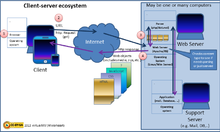
At the heart of dynamic web applications lies the ability to store, retrieve, and manipulate data. Effective database management is crucial for building web applications that can persist and access user data, manage content, and power complex functionalities.
Relational Databases:
MySQL: MySQL is a widely-used open-source relational database management system (RDBMS) that is often employed in web application development.
PostgreSQL: PostgreSQL is another popular RDBMS that offers advanced features, such as support for JSON data, and is known for its reliability and scalability.
SQL Server: Microsoft's SQL Server is a commercial RDBMS that is commonly used in enterprise-level web applications, particularly in Windows-based environments.
NoSQL Databases:
MongoDB: MongoDB is a leading NoSQL database that stores data in flexible, JSON-like documents, making it well-suited for web applications with diverse and evolving data requirements.
Cassandra: Cassandra is a distributed, scalable, and highly available NoSQL database that excels in handling large volumes of data and high-throughput workloads.
Redis: Redis is an open-source, in-memory data structure store that is commonly used for caching, real-time applications, and message queuing in web applications.
Database Design and Modeling:
Entity-Relationship Modeling: Designing the database schema using entity-relationship (ER) modeling techniques to ensure data integrity and optimize query performance.
Normalization and Denormalization: Understanding the principles of database normalization and when to apply denormalization strategies to balance data consistency and query efficiency.
Index Management: Leveraging indexing techniques to optimize the performance of complex queries and data retrieval operations.
Database Integration and Querying:
Object-Relational Mapping (ORM): Utilizing ORM tools, such as Sequelize, SQLAlchemy, or Hibernate, to abstract the database interactions and simplify data access within the web application.
SQL Querying and Optimization: Developing efficient SQL queries and understanding query optimization techniques to ensure high-performing data retrieval and manipulation.
NoSQL Data Access Patterns: Adopting appropriate data access patterns and query strategies when working with NoSQL databases, such as key-value lookups, range queries, and aggregations.
Database Scalability and Reliability:
Sharding and Partitioning: Implementing sharding and partitioning strategies to distribute the database load and improve the scalability of the web application.
Replication and High Availability: Configuring database replication and failover mechanisms to ensure high availability and fault tolerance in the web application.
Backup and Disaster Recovery: Establishing robust backup and disaster recovery procedures to safeguard the web application's data against potential failures or data loss.
Securing Your Web Applications: Protecting User Data and Privacy
As web applications become more complex and handle sensitive user data, ensuring the security and privacy of your web application is of paramount importance. Implementing robust security measures is crucial to protect your application and its users from various threats.
Web Application Security Fundamentals:
Input Validation and Sanitization: Enforcing strict input validation and sanitization techniques to mitigate common web application vulnerabilities, such as SQL injection and cross-site scripting (XSS).
Authentication and Authorization: Implementing secure authentication mechanisms, including password hashing, two-factor authentication, and role-based access control, to protect user accounts and sensitive data.
HTTPS and SSL/TLS Encryption: Ensuring that the entire web application, including all data transmission, is secured with HTTPS and SSL/TLS encryption to protect against eavesdropping and man-in-the-middle attacks.
Protecting Against Common Threats:
Cross-Site Scripting (XSS): Implementing effective XSS prevention techniques, such as input validation, output encoding, and the use of Content Security Policies, to mitigate the risk of XSS attacks.
Cross-Site Request Forgery (CSRF): Employing CSRF protection mechanisms, including the use of CSRF tokens and SameSite cookie attributes, to prevent unauthorized actions on behalf of the user.
Injection Attacks: Safeguarding the web application against injection attacks, such as SQL injection and NoSQL injection, by using parameterized queries or prepared statements.
Denial-of-Service (DoS) Attacks: Implementing measures to protect the web application from DoS attacks, including rate limiting, load balancing, and monitoring for suspicious activity.
Secure Coding Practices:
Security-Focused Development Lifecycle: Integrating security considerations throughout the web application development lifecycle, from design to deployment, to proactively address potential vulnerabilities.
Dependency Management and Secure Libraries: Maintaining up-to-date dependencies and using secure, well-maintained libraries to minimize the risk of introducing vulnerabilities into the web application.
Secure Configuration and Deployment: Ensuring that the web application's infrastructure, including web servers, databases, and cloud services, is properly configured with secure settings and practices.
Ongoing Security Monitoring and Incident Response:
Security Logging and Monitoring: Implementing robust logging and monitoring mechanisms to detect and respond to security incidents, such as unauthorized access attempts or suspicious activity.
Vulnerability Scanning and Penetration Testing: Regularly conducting vulnerability scans and penetration testing to identify and address security weaknesses in the web application.
Incident Response and Disaster Recovery: Developing an incident response plan and disaster recovery procedures to effectively manage and mitigate the impact of security breaches or other disruptions.
Deploying Your Web App: Getting it Live and Accessible
After the development and testing phases, the final step in the web application lifecycle is deployment. Deploying your web application to a live, production environment ensures that it becomes accessible to your target audience.
Hosting and Infrastructure:
Web Hosting Providers: Choosing a reliable web hosting provider that offers the necessary infrastructure, scalability, and support for your web application's requirements.
Cloud Platforms: Leveraging cloud computing platforms, such as AWS, Google Cloud, or Microsoft Azure, to deploy and manage your web application's infrastructure in a scalable and cost-effective manner.
Containerization and Orchestration: Utilizing containerization technologies, like Docker, and orchestration platforms, such as Kubernetes, to package and deploy your web application in a consistent, scalable, and reliable way.
Continuous Integration and Deployment:
Version Control and Branching Strategies: Implementing a robust version control system, such as Git, and adopting effective branching strategies to manage the development and deployment of your web application.
Automated Build and Testing: Setting up a continuous integration (CI) pipeline to automate the building, testing, and deployment of your web application, ensuring consistent and reliable deployments.
Deployment Strategies: Exploring different deployment strategies, like blue-green deployments or canary releases, to minimize downtime and ensure a smooth transition to the new version of your web application.
Performance Optimization and Monitoring:
Content Delivery Networks (CDNs): Leveraging CDNs to improve the performance and responsiveness of your web application by caching static assets closer to the end-users.
Server Optimization and Scaling: Configuring your web application's server infrastructure, such as web servers, application servers, and databases, to optimize performance and handle increased traffic.
Monitoring and Logging: Implementing comprehensive monitoring and logging solutions to track the health, performance, and usage of your web application, enabling data-driven optimization and decision-making.
Accessibility and Internationalization:
Web Accessibility Standards: Ensuring that your web application adheres to accessibility standards, such as WCAG, to provide an inclusive experience for users with disabilities.
Internationalization and Localization: Designing your web application to support multiple languages, currencies,and cultural preferences to reach a global audience effectively.
Mobile Responsiveness: Optimizing your web application for mobile devices by implementing responsive design techniques to ensure a seamless user experience across various screen sizes and resolutions.
Testing and Debugging: Ensuring Smooth Functionality and Performance
Testing and debugging are essential phases in the web application development process to identify and resolve issues, ensuring that the application functions correctly and performs optimally for users.
Types of Testing:
Unit Testing: Writing and executing unit tests to validate individual components or modules of the web application, ensuring they function as intended in isolation.
Integration Testing: Testing the interactions between different modules or services within the web application to verify that they work together smoothly.
End-to-End Testing: Conducting end-to-end tests to simulate user interactions and workflows across the entire application, validating its functionality from the user's perspective.
Testing Strategies:
Manual Testing: Performing manual testing by human testers to identify usability issues, visual inconsistencies, and other defects that may not be captured through automated testing.
Automated Testing: Implementing automated testing using tools like Selenium, Jest, or Cypress to streamline the testing process, increase test coverage, and expedite regression testing.
Performance Testing: Conducting performance testing, such as load testing and stress testing, to assess how the web application performs under expected and peak traffic conditions.
Debugging Techniques:
Logging and Error Handling: Incorporating detailed logging mechanisms and robust error handling in the web application code to capture and report errors for effective debugging.
Browser Developer Tools: Leveraging browser developer tools, such as Chrome DevTools or Firefox Developer Tools, to inspect elements, debug JavaScript, analyze network requests, and profile performance.
Remote Debugging: Using remote debugging tools and techniques to troubleshoot issues in production or staging environments, allowing developers to diagnose and fix bugs efficiently.
Code Quality and Maintenance:
Code Reviews: Conducting regular code reviews with peers to ensure code quality, adherence to coding standards, and the identification of potential issues early in the development process.
Code Refactoring: Refactoring code regularly to improve its readability, maintainability, and performance, eliminating technical debt and optimizing the web application's overall codebase.
Dependency Management: Managing external dependencies carefully, updating libraries and packages regularly to leverage new features, bug fixes, and security patches while minimizing compatibility issues.
Web Application Development: A Comprehensive Guide for Beginners
Embarking on a journey to learn web application development can be both exciting and challenging, especially for beginners. This comprehensive guide aims to provide aspiring developers with a roadmap to navigate the vast landscape of web development and acquire the necessary skills to build dynamic and interactive web applications.
Getting Started with Web Development:
Understanding Web Technologies: Familiarizing yourself with core web technologies, including HTML, CSS, and JavaScript, to comprehend how web pages are structured, styled, and made interactive.
Setting Up Your Development Environment: Installing essential tools and software, such as a text editor, web browser, and version control system, to create and manage your web development projects effectively.
Learning the Basics of Front-End Development: Exploring front-end development concepts, such as DOM manipulation, event handling, and asynchronous programming, to enhance the interactivity and responsiveness of your web applications.
Mastering Front-End Frameworks:
Introduction to Front-End Frameworks: Understanding the role of front-end frameworks, such as React, Angular, or Vue.js, in simplifying and streamlining the web development process through component-based architecture and state management.
Building User-Friendly Interfaces: Creating visually appealing and user-friendly interfaces by leveraging front-end frameworks' capabilities for responsive design, routing, form validation, and data fetching from APIs.
State Management and Data Binding: Implementing efficient state management solutions, like Redux or Vuex, and mastering data binding techniques to synchronize data between components and ensure a consistent UI state.
Back-End Technologies for Scalable Web Applications
:
Introduction to Back-End Development: Delving into back-end development principles and server-side technologies, such as Node.js, Express, Python, or Ruby on Rails, to handle business logic, data processing, and database interactions.
RESTful API Development: Designing and implementing RESTful APIs to facilitate communication between the front-end and back-end layers of the web application, enabling data exchange and operation execution.
Authentication and Authorization: Integrating authentication mechanisms, like JSON Web Tokens (JWT) or OAuth, and implementing authorization logic to secure routes, endpoints, and user data within the web application.
Database Management for Web Applications:
Choosing the Right Database: Selecting an appropriate database system, such as MySQL, PostgreSQL, MongoDB, or Redis, based on the web application's data modeling requirements, scaling needs, and performance characteristics.
Data Modeling and Schema Design: Planning and designing database schemas, tables, indexes, and relationships to represent and organize the application's data structure effectively and support efficient data retrieval.
CRUD Operations and Query Optimization: Implementing Create, Read, Update, and Delete (CRUD) operations in database interactions and optimizing queries to enhance performance, reduce latency, and prevent data redundancy.
Deploying and Securing Your Web Application:
Web Hosting Options: Exploring different web hosting options, from shared hosting to dedicated servers and cloud services, to deploy your web application securely and make it accessible on the internet.
SSL Certificate Installation: Configuring and installing SSL certificates on your web server to enable secure HTTPS connections, encrypt data transmissions, and establish trust with visitors and search engines.
Security Best Practices: Following security best practices, such as regular updates, secure configuration, firewall protection, and intrusion detection, to safeguard your web application against cyber threats and attacks.
Testing and Debugging Strategies:
Types of Testing: Understanding various testing methodologies, including unit testing, integration testing, acceptance testing, and performance testing, to validate the functionality, usability, and performance of your web application.
Debugging Tools: Utilizing debugging tools, browsers' developer consoles, network analyzers, and third-party services for error monitoring and log management to diagnose and troubleshoot issues effectively.
Continuous Improvement: Embracing a mindset of continuous learning, experimentation, and improvement in web application development by seeking feedback, analyzing metrics, and refining your coding skills and practices.
Video
Conclusion
In conclusion, web application development represents a multifaceted and dynamic field that demands a diverse skill set, creativity, and problem-solving abilities. By mastering front-end frameworks, back-end technologies, database management, security protocols, deployment strategies, testing methodologies, and debugging techniques, developers can architect robust, user-centered, and scalable web applications that meet modern digital challenges.
Whether you are a beginner embarking on your web development journey or an experienced developer looking to enhance your skills, this comprehensive guide provides a roadmap to navigate the intricacies of web application development successfully. From crafting engaging user interfaces to securing sensitive data, deploying live applications, and ensuring optimal performance and accessibility, each phase of the web application lifecycle contributes to creating immersive, interactive, and impactful online experiences for users worldwide.
By embracing best practices, staying abreast of emerging technologies, and fostering a mindset of curiosity and innovation, developers can unleash the full potential of web applications, drive digital transformation, and shape the future of the internet landscape. Start your web development adventure today, experiment with new tools and techniques, collaborate with peers, and never cease exploring the boundless possibilities of building dynamic and interactive web applications. The journey awaits—code on!






0 Comments