
The world of software development can seem daunting, especially for beginners. The complex jargon, intricate frameworks, and seemingly endless learning curves can be overwhelming. But what if I told you that you could build a fully functional web application in just one hour? It might sound unbelievable, but it's entirely possible with the right approach and tools.
This article will guide you through a whirlwind journey, taking you from zero coding experience to building a real-world web application in 60 minutes. We'll explore the core principles of full-stack development, break down the essential tools, and equip you with the knowledge to embark on your own coding adventure.
Unleash Your Inner Developer: The Power of Rapid Full-Stack Development
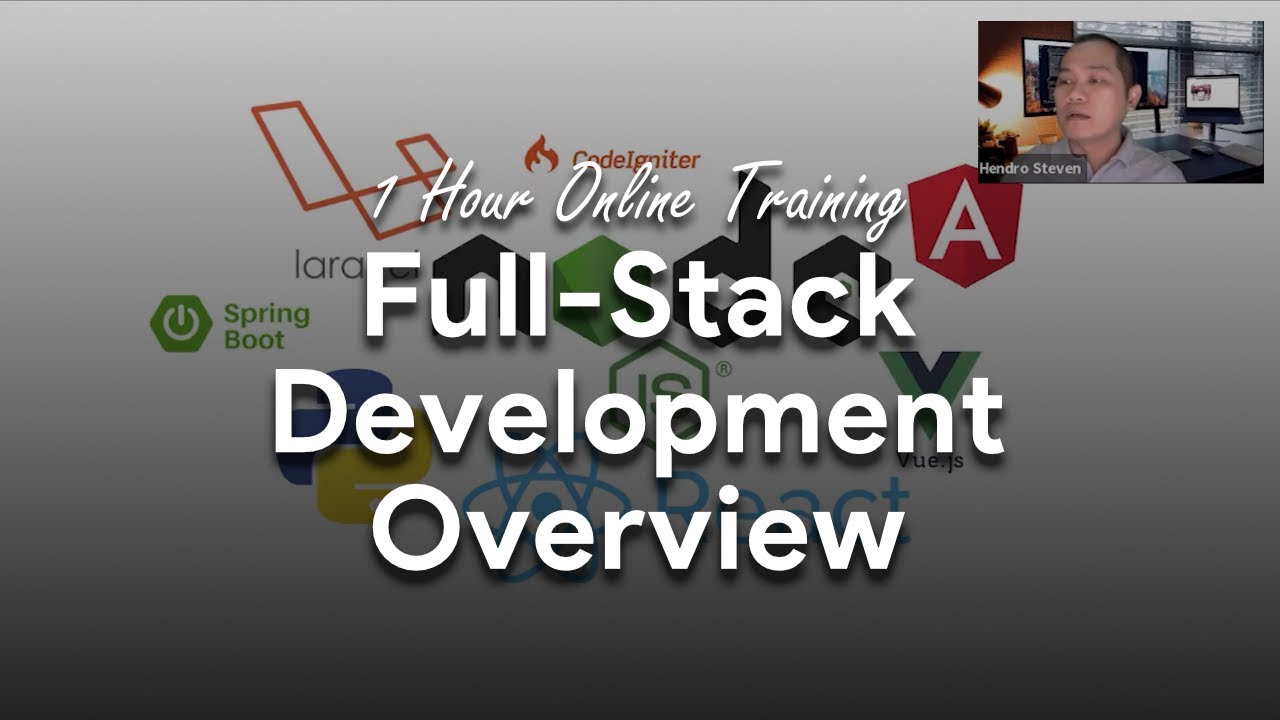
Forget the slow, traditional learning methods. This fast-paced approach emphasizes hands-on experience and immediate results. You'll learn by doing, building a tangible project within the hour, solidifying your understanding and boosting your confidence. This rapid development paradigm isn't just about speed; it's about igniting your passion for coding. By achieving such a significant milestone in such a short time, you'll be empowered to take on bigger challenges and unlock your full potential as a developer.
The Foundations of Full-Stack Development
Full-stack development refers to the ability to work on both the front-end and back-end of a web application. It involves understanding the entire technology stack, from the user interface to the server-side logic and database. In this section, we'll explore the key components that make up a full-stack web application and how they work together.
Front-End Development
The front-end of a web application is the part that users interact with directly. It's responsible for the visual elements, user interactions, and the overall user experience. In this rapid development journey, we'll focus on HTML, CSS, and JavaScript, the core technologies that power the front-end.
- HTML (Hypertext Markup Language): HTML is the standard markup language used to create the structure and content of web pages. It provides the building blocks for creating websites, from headings and paragraphs to images and links.
- CSS (Cascading Style Sheets): CSS is the language used to style the visual appearance of web pages. It allows you to control the layout, colors, fonts, and other visual aspects of your web application.
- JavaScript: JavaScript is a programming language that adds interactivity and dynamic behavior to web pages. It enables you to create interactive user interfaces, handle events, and manipulate the content of your web application.
Back-End Development
The back-end of a web application is responsible for the server-side logic, data processing, and communication with the database. In this rapid development journey, we'll be using Node.js, a runtime environment that allows you to run JavaScript on the server.
- Node.js: Node.js is a JavaScript runtime built on the V8 JavaScript engine. It allows you to use JavaScript for server-side scripting, building web applications, and creating APIs.
- Express.js: Express.js is a popular web application framework for Node.js. It simplifies the process of building server-side applications, handling routing, middleware, and other essential web development tasks.
- Database: While not directly covered in this article, web applications often require a database to store and retrieve data. Depending on your needs, you could use a relational database like MySQL or a NoSQL database like MongoDB.
Tools and Technologies for Rapid Full-Stack Development
To achieve our goal of building a full-stack web application in just one hour, we'll be using a powerful set of tools and technologies that streamline the development process.
Rapid Development Tools
- Visual Studio Code: This is a free, open-source code editor developed by Microsoft. It provides a rich set of features, including code completion, syntax highlighting, and integrated terminal support, making it an excellent choice for rapid development.
- Node.js and npm: Node.js is the runtime environment we'll be using for the back-end, and npm (Node Package Manager) is the package manager that allows us to install and manage third-party libraries and frameworks.
- Express.js: As mentioned earlier, Express.js is a web application framework for Node.js that simplifies the process of building server-side applications.
Deployment and Hosting
- Netlify: Netlify is a cloud-based platform that makes it easy to host and deploy your web applications. It provides a seamless integration with GitHub, allowing you to automatically deploy your application whenever you push changes to your repository.
The Power of Rapid Full-Stack Development
The key key to this rapid full-stack development approach is the use of pre-built tools and frameworks that abstract away the complex details, allowing you to focus on the core functionality of your web application. By leveraging these powerful resources, you can quickly set up a development environment, write the necessary code, and deploy your application, all within a single hour.
This method is particularly powerful for beginner developers because it provides a tangible experience of building a real-world application. Instead of getting bogged down in theory and endless tutorials, you'll be actively creating something from scratch. This hands-on approach not only teaches you the practical skills but also ignites your passion for coding, empowering you to continue learning and growing as a developer.
Go From Beginner to Builder: Mastering Full-Stack Development in One Hour
In this section, we'll dive into the step-by-step process of building a full-stack web application in just one hour. We'll cover the essential tools, the development workflow, and the key concepts you'll need to understand to succeed in this rapid journey.
Setting Up Your Development Environment
The first step is to set up your development environment. This process typically involves installing the necessary software and configuring your tools, but we'll make it as seamless as possible.
- Install Visual Studio Code: Visit the official Visual Studio Code website (https://code.visualstudio.com/) and download the appropriate version for your operating system. Follow the installation instructions to get it set up on your machine.
- Install Node.js and npm: Head over to the official Node.js website (https://nodejs.org/) and download the latest LTS (Long-Term Support) version. This will also install npm, the Node.js package manager, which we'll use to install additional libraries and frameworks.
- Install the Express.js Generator: Open a terminal or command prompt and run the following command to install the Express.js Generator globally:
npm install -g express-generator
This tool will help us quickly scaffold the structure of our web application.
- Create a new Express.js project: In the terminal, navigate to the directory where you want to create your project and run the following command:
express --view=ejs my-app
This will create a new Express.js project with the EJS (Embedded JavaScript) templating engine.
- Install project dependencies: Change into the
my-appdirectory and run the following command to install the necessary dependencies:
   cd my-app
   npm install
This will install all the required packages, including Express.js and its dependencies.
NowNow that your development environment is set up, you're ready to start building your full-stack web application.
Developing the Front-End
The front-end of our web application will consist of HTML, CSS, and JavaScript. We'll use the EJS templating engine to generate the dynamic content.
- Create the HTML structure: Open the
views/index.ejsfile and replace its contents with the following HTML structure:
html
   My Full-Stack App


   Welcome to

     Name:

     Submit
This sets up the basic structure of our web page, including a form and a div to display the result.
- Add some CSS: Create a new file called
public/stylesheets/style.cssand add the following basic CSS styles:
```css body {
 font-family: Arial, sans-serif;
 text-align: center;
 padding: 20px;
}
form {
margin-top: 20px;
}
result {
 margin-top: 20px;
 font-weight: bold;
}
`
This will give our web page a simple, clean look.
- Implement the JavaScript logic: Create a new file called
public/javascripts/script.jsand add the following JavaScript code:
javascript
   document.addEventListener('DOMContentLoaded', () => {
 const form = document.getElementById('myForm');
 const resultDiv = document.getElementById('result');
 form.addEventListener('submit', (event) => {
   event.preventDefault();
   const name = document.getElementById('name').value;
   fetch('/api/greet', {
     method: 'POST',
     headers: {
       'Content-Type': 'application/json'
     },
     body: JSON.stringify()
   })
   .then(response => response.json())
   .then(data => {
     resultDiv.textContent = data.message;
   })
   .catch(error => {
     console.error('Error:', error);
     resultDiv.textContent = 'An error occurred.';
   });
 });
});
This JavaScript code sets up an event listener on the form submission, sends a POST request to the server, and updates the result div with the response.
Developing the Back-End
The back-end of our web application will be built using Node.js and Express.js. We'll create a simple API endpoint to handle the form submission.
- Create the API route: Open the
routes/index.jsfile and replace its contents with the following code:
```javascript var express = require('express'); var router = express.Router();
/ GET home page. / router.get('/', function(req, res, next) ); });
/ POST /api/greet / router.post('/api/greet', function(req, res, next) = req.body; const message = `Hello, $!`; res.json(); });
module.exports = router; `
This code sets up a GET route for the home page and a POST route for the /api/greet endpoint, which will handle the form submission.
- Start the server: In the terminal, run the following command to start the development server:
npm start
This will start the Express.js server and make your web application accessible at http://localhost:3000.
Testing and Deployment
Now that you've built the front-end and back-end of your web application, it's time to test it and deploy it to the web.
- Test the application: Open your web browser and navigate to
http://localhost:3000. You should see the web page with the form. Fill in the name input and click the "Submit" button. You should see the response message displayed in the result div.
- Deploy to Netlify: To deploy your web application, you'll need to connect your project to a Git repository (e.g., GitHub, GitLab, or Bitbucket). Once you've done that, head over to the Netlify website (https://www.netlify.com/) and follow these steps:
- Sign up for a Netlify account or log in to your existing account.
- Click on the "New site from Git" button.
- Choose the Git provider you're using (e.g., GitHub) and select your project repository.
- Netlify will automatically detect the type of project and configure the deployment settings for you.
- Review the settings and click the "Deploy site" button.
Netlify will now start building and deploying your web application. Once the process is complete, you'll be provided with a unique URL where your application is hosted.
Congratulations! You've just built a full-stack web application in just one hour. By leveraging the power of pre-built tools and frameworks, you've been able to quickly set up a development environment, write the necessary code, and deploy your application to the web.
The 'Impossible' Achieved: Constructing a Complete Web App in 60 Minutes
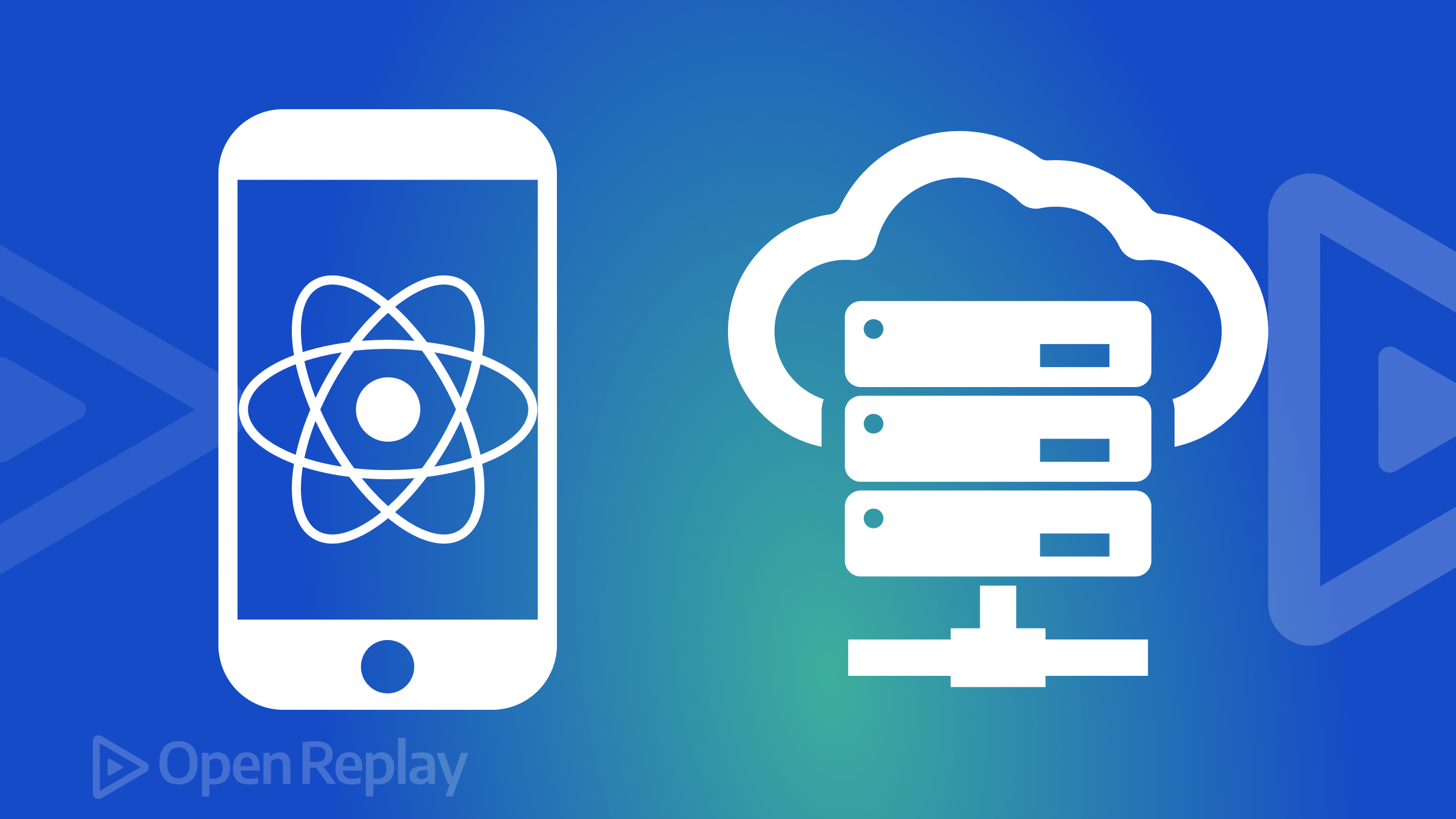
BuildingBuilding a fully functional web application in just one hour may have seemed impossible at first, but you've now seen that it's entirely achievable. This rapid development approach is made possible by the wealth of resources and tools available to developers today.
The Art of Rapid Prototyping
Rapid prototyping is the key to this accelerated full-stack development process. By utilizing pre-built frameworks and libraries, you can quickly create the basic structure and functionality of your web application, without getting bogged down in the intricate details. This allows you to focus on the core features and iterate quickly, rather than spending weeks or months building everything from scratch.
The Benefits of Rapid Prototyping
- Faster Time to Market: By streamlining the development process, you can bring your ideas to life much more quickly, giving you a competitive edge in the market.
- Immediate Feedback: The ability to quickly build and deploy a working prototype enables you to gather feedback from users and stakeholders, allowing you to refine and improve your application.
- Increased Flexibility: Rapid prototyping makes it easier to experiment with different ideas and pivot your application as needed, without the overhead of a traditional development cycle.
Mastering the Full-Stack Mindset
In this rapid development journey, you've gained a solid understanding of the full-stack development process. By comprehending the interplay between the front-end and back-end of a web application, you've acquired a more holistic view of how web applications are built.
Key Takeaways
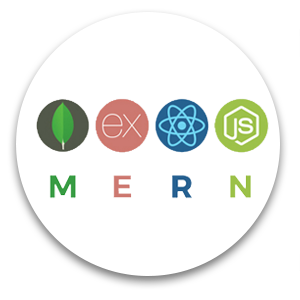
- Understanding the Technology Stack: You've learned about the core technologies that make up a full-stack web application, including HTML, CSS, JavaScript, Node.js, and Express.js.
- Embracing the Entire Development Cycle: From setting up the development environment to deploying the application, you've experienced the complete journey of building a web application.
- Developing a Problem-Solving Mindset: The ability to quickly prototype and iterate on your ideas fosters a problem-solving mentality, which is crucial for success in the world of software development.
Unlock Your Potential: The Benefits of Accelerated Full-Stack Learning

By completing this rapid full-stack development journey, you've unlocked a world of possibilities. The skills and knowledge you've gained in just one hour can serve as a springboard for your future growth and development as a programmer.
Boost Your Confidence and Motivation
Achieving such a significant milestone in a short period of time can have a profound impact on your confidence and motivation. Seeing the tangible results of your efforts will inspire you to tackle bigger challenges and continue your learning journey.
Confidence-Building Milestones
- Building a Functional Web App: Creating a working web application from scratch, even in a limited timeframe, is a significant accomplishment that will boost your confidence.
- Embracing the Full-Stack Mindset: Understanding the interconnected nature of front-end and back-end development gives you a deeper appreciation for the complexities of web development.
- Rapid Prototyping Skills: Developing the ability to quickly create and iterate on ideas prepares you for the fast-paced world of software development.
Accelerate Your Learning Curve
The rapid full-stack development approach you've experienced in this article provides a solid foundation for continued learning and growth. By grasping the core concepts and gaining hands-on experience, you'll be better equipped to delve deeper into various web development technologies and frameworks.
Continued Learning Opportunities
- Exploring Additional Front-End Frameworks: Once you've mastered the basics, you can explore more advanced front-end frameworks like React, Angular, or Vue.js.
- Expanding Your Back-End Knowledge: Dive into more complex server-side development, such as building RESTful APIs, integrating databases, or exploring serverless architectures.
- Enhancing Your Deployment and Hosting Skills: Explore cloud-based hosting platforms, continuous integration, and deployment workflows to streamline your application deployment process.
Unlock New Career Opportunities
The skills you've acquired through this rapid full-stack development journey can open doors to a wide range of career opportunities in the tech industry. As a full-stack developer, you'll be in high demand, with the ability to contribute to projects across the entire software development lifecycle.
Potential Career Paths
- Web Application Developer: Apply your full-stack development skills to build and maintain web applications for businesses and organizations. -Software Engineer: Work on developing software solutions for various industries, utilizing your full-stack development expertise.
- Tech Startup Founder: Use your rapid prototyping skills to bring innovative ideas to life and launch your own tech startup.
- Freelance Developer: Offer your services as a full-stack developer to clients looking to build custom web applications or websites.
- Technical Consultant: Provide expert advice and guidance on full-stack development projects for companies seeking technical expertise.
By embracing accelerated full-stack learning, you've positioned yourself for success in the ever-evolving tech industry. The journey from zero to hero in full-stack development is just the beginning of what you can achieve with dedication, continuous learning, and a passion for building innovative solutions. Congratulations on unlocking your potential and taking the first step towards a rewarding career in web development!
Video
Conclusion
In conclusion, the journey from zero to hero in full-stack development is an exhilarating and transformative experience. Through the power of rapid prototyping, mastering the full-stack mindset, and unlocking your potential, you've gained valuable skills and knowledge that can propel you towards a successful career in web development.
By building a complete web application in just 60 minutes, you've proven that the 'impossible' is achievable with dedication and the right tools at your disposal. Rapid full-stack learning not only accelerates your understanding of web development but also boosts your confidence, motivation, and opens up new career opportunities.
As you continue your learning journey beyond this article, remember to explore new technologies, deepen your understanding of front-end and back-end development, and stay curious and adaptable in the face of evolving industry trends. The future is bright for those who embrace the challenges and rewards of full-stack development.
So, unleash your inner developer, go from beginner to builder, and unlock your potential in the exciting world of full-stack web development. The skills and knowledge you've acquired in this transformative course are just the beginning of what you can achieve. The future is now—embrace it with enthusiasm and determination. Happy coding!




0 Comments