
In today's dynamic web landscape, Angular stands as a powerful and comprehensive front-end framework developed by Google. With its robust features, component-based architecture, and comprehensive ecosystem, Angular empowers developers to craft high-performance, scalable, and maintainable web applications. This comprehensive guide aims to guide both beginners and experienced developers through the intricacies of Angular 12, offering a step-by-step roadmap to mastery.
Whether you're venturing into the world of Angular for the first time or seeking to enhance your existing skills, this guide will equip you with the knowledge and techniques to build exceptional web applications. We'll explore Angular's strengths, dive deep into its core concepts, and leverage its integration with other cutting-edge technologies, such as Node.js, Express.js, and MongoDB, to create a full-stack web application in just one hour – a feat that may seem impossible but is achievable with the right approach.
From Scratch to Success: How to Build a Full-Stack Web Application in Just 1 Hour (Yes, You Read That Right!)
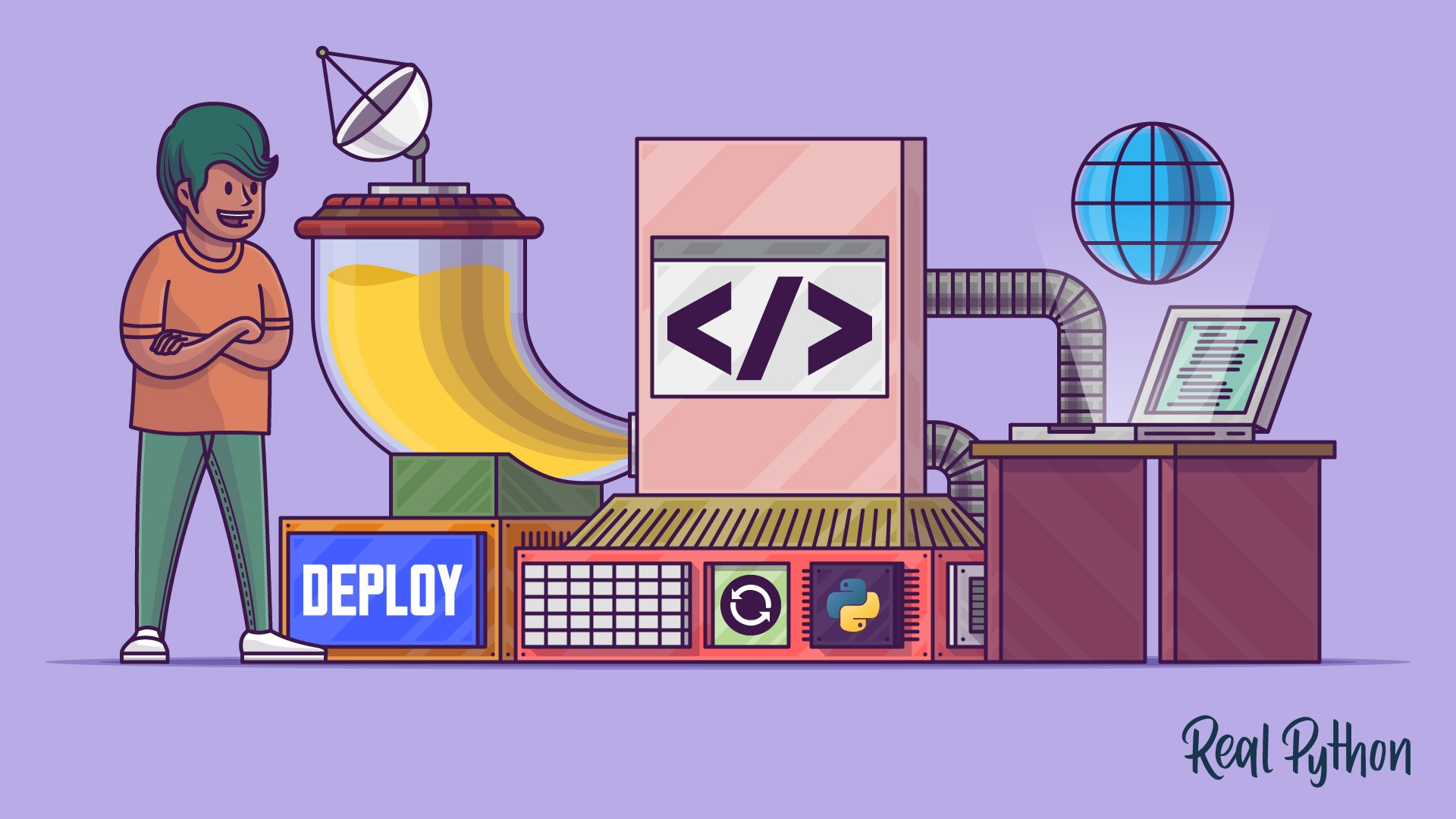
In the ever-evolving world of web development, speed and efficiency are paramount. While building a full-stack web application traditionally requires extensive time and effort, this guide will demonstrate how you can leverage the power of Angular 12, Node.js, Express.js, and MongoDB to achieve this remarkable feat in just one hour.
The Full-Stack Advantage

Before diving into the step-by-step process, let's explore the benefits of adopting a full-stack approach:
- Seamless Integration: By combining Angular's robust front-end capabilities with Node.js, Express.js, and MongoDB on the back-end, you can create a cohesive and tightly integrated application that ensures smooth data flow and efficient communication between all layers.
- Consistent Development Experience: Utilizing JavaScript and TypeScript across the entire stack eliminates the need to juggle multiple programming languages, resulting in a more streamlined development process and a reduced learning curve.
- Scalability and Performance: Angular's modular architecture, combined with the scalability and performance capabilities of Node.js and MongoDB, enables the creation of applications that can handle high traffic loads and grow seamlessly as your business expands.
- Rapid Prototyping and Iteration: The combined power of these technologies allows for rapid prototyping and iterative development, enabling you to quickly validate ideas, gather feedback, and make adjustments on the fly.
Setting the Stage: Prerequisites and Setup

Before embarking on your full-stack journey, ensure you have the following prerequisites in place:
- Node.js and npm (Node Package Manager) installed on your development machine
- Basic understanding of JavaScript and TypeScript
- Familiarity with Angular concepts (components, services, routing, etc.)
- MongoDB installed and running locally or access to a cloud-based MongoDB instance
Once you have the necessary prerequisites, follow these steps to set up your development environment:
- Create a new Angular project: Use the Angular CLI to generate a new project by running
ng new my-full-stack-app. - Install required dependencies: In your project's root directory, run
npm install express mongooseto install Express.js and Mongoose (a popular MongoDB object data modeling library). - Configure the back-end: Create a new folder named
serverin your project's root directory, and inside it, createapp.jsandroutes.jsfiles to hold your Express.js server and API route definitions, respectively.
With your development environment set up, you're ready to embark on the full-stack journey and build a functional web application in just one hour.
Building the Front-end with Angular
Angular's component-based architecture simplifies the process of building complex user interfaces. Follow these steps to create the front-end of your application:
- Define your components: Use the Angular CLI to generate new components for your application's features and functionalities. For example,
ng generate component hometo create a Home component.
- Implement component logic: Within each component, define the necessary logic, such as fetching data from the back-end, handling user interactions, and managing component state.
- Design the user interface: Leverage Angular's powerful templating engine to create dynamic and responsive user interfaces. Use built-in directives and pipes to enhance the UI's functionality and presentation.
- Configure routing: Define routes for your application's different components and pages using Angular's built-in routing module. This ensures a seamless navigation experience for your users.
- Integrate with back-end services: Create Angular services to communicate with your back-end API, making HTTP requests to fetch and manage data.
Throughout the front-end development process, take advantage of Angular's powerful tooling, such as the Angular CLI, to streamline your workflow and enhance productivity.
Constructing the Back-end with Node.js, Express.js, and MongoDB
While Angular handles the front-end, Node.js, Express.js, and MongoDB will power the back-end of your application. Follow these steps to set up and configure the back-end:
- Initialize the Express.js server: In the
app.jsfile, create an instance of the Express.js application and configure any necessary middlewares or settings.
- Define API routes: In the
routes.jsfile, define the routes for your back-end API, specifying the HTTP methods and corresponding handlers for each endpoint.
- Integrate with MongoDB: Use Mongoose to define your application's data models and establish a connection to your MongoDB instance (either locally or in the cloud).
- Implement API logic: Within your route handlers, interact with the MongoDB database using Mongoose queries to fetch, create, update, and delete data as needed.
- Enable CORS: Configure Cross-Origin Resource Sharing (CORS) to allow your front-end Angular application to communicate with the back-end API securely.
- Start the server: In your project's entry point (e.g.,
main.tsfor an Angular application), import and start the Express.js server, allowing it to listen for incoming requests.
By seamlessly integrating Angular's front-end capabilities with the power of Node.js, Express.js, and MongoDB on the back-end, you'll have a robust and scalable full-stack application ready to handle real-world use cases.
Testing and Deployment
As with any software development project, testing and deployment are crucial steps to ensure the quality and reliability of your application. Follow these best practices:
- Unit and integration testing: Leverage Angular's built-in testing utilities (Jasmine and Karma) to write unit tests for your components and services. Additionally, use tools like Jest or Mocha to test your back-end API routes and logic.
- End-to-end testing: Implement end-to-end tests using tools like Cypress or Selenium to simulate real-user scenarios and validate the integrated functionality of your full-stack application.
- Continuous Integration and Continuous Deployment (CI/CD): Set up a CI/CD pipeline to automate the build, testing, and deployment processes. Popular tools like Jenkins, CircleCI, or GitHub Actions can streamline these processes, ensuring your application is always up-to-date and deployed seamlessly.
- Hosting and deployment: Choose a suitable hosting platform for your full-stack application, such as cloud providers (e.g., AWS, Azure, or Google Cloud Platform) or Platform-as-a-Service (PaaS) solutions like Heroku or Netlify. Follow the provider's documentation to deploy your Angular front-end and Node.js back-end seamlessly.
By following these best practices, you'll ensure your full-stack application is thoroughly tested, reliable, and ready for production use.
Conclusion
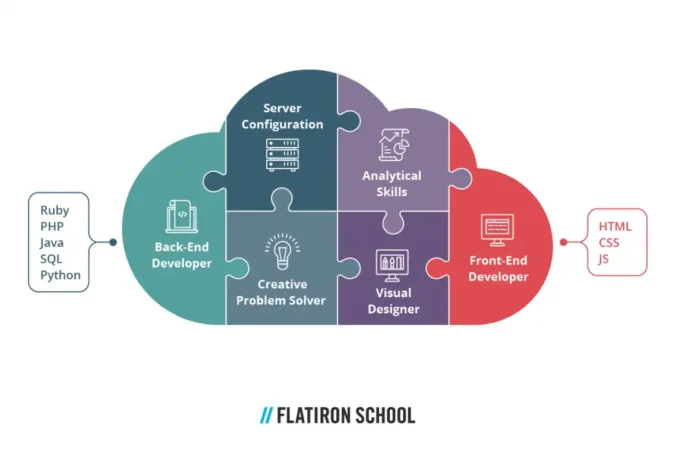

In this comprehensive guide, we've explored the power of Angular 12, Node.js, Express.js, and MongoDB in building a robust and scalable full-stack web application. By leveraging these cutting-edge technologies and following the step-by-step approach outlined in this guide, you can achieve the seemingly impossible feat of building a functional web application in just one hour.
While the one-hour time frame may seem ambitious, it's a testament to the efficiency and productivity gains offered by the modern web development ecosystem. By mastering these tools and embracing best practices, you'll unlock new levels of development speed and agility, enabling you to rapidly prototype, iterate, and deliver high-quality applications to meet the ever-changing demands of the digital landscape.
Remember, this guide serves as a starting point, providing a solid foundation for your full-stack development journey. As you gain more experience and familiarity with these technologies, you'll be able to tackle increasingly complex projects, explore advanced features, and push the boundaries of what's possible in web development.
So, embrace the challenge, dive into the world of full-stack development, and unlock the true potential of Angular 12, Node.js, Express.js, and MongoDB. The future of web development is here, and with the right mindset and skills, you can be at the forefront of this exciting and rapidly evolving field.
Conclusion
In this guide, we have delved into the world of full-stack web development using Angular 12, Node.js, Express.js, and MongoDB. By understanding the capabilities of these technologies and following a systematic approach, you can build a functional web application in just one hour.
With your development environment set up and ready to go, you can now embark on the journey of creating a full-stack application that seamlessly integrates front-end and back-end technologies. By following the steps outlined in this guide, you can leverage the power of Angular's component-based architecture for the front-end and Node.js, Express.js, and MongoDB for the back-end.
Testing and deployment are crucial aspects of the development process to ensure the quality and reliability of your application. By incorporating unit testing, end-to-end testing, and setting up a CI/CD pipeline, you can automate processes and streamline deployment, making your application production-ready.
Choosing the right hosting platform for deployment is essential, whether it be cloud providers like AWS, Azure, or Google Cloud Platform, or PaaS solutions like Heroku or Netlify. Following best practices in testing and deployment will ensure that your full-stack application is robust, reliable, and ready for real-world use.
In conclusion, building a full-stack web application in just one hour is an ambitious goal, but with the right tools, knowledge, and mindset, it is achievable. The modern web development ecosystem offers a wealth of resources and technologies to expedite the development process and empower developers to create innovative solutions.
As you continue to explore and expand your skills in full-stack development, remember that practice, persistence, and continuous learning are key to mastering these technologies. Embrace the challenges, stay curious, and push the boundaries of what you can achieve in web development.
The future of web development is bright, and by harnessing the potential of Angular 12, Node.js, Express.js, and MongoDB, you can be at the forefront of innovation in the digital landscape. So, roll up your sleeves, dive into the world of full-stack development, and unleash your creativity to build amazing web applications that make a difference.






0 Comments