
In today's fast-paced world, where knowledge is power and continuous learning is the key to success, the rise of online educational revolutionized the way we acquire new skills and expand our horizons. As one of the leading online learning marketplaces, Udemy has become a go-to destination for millions of learners and instructors worldwide, offering a vast array of courses on virtually every topic imaginable.
This comprehensive guide aims to explore the depths of the Udemy platform, providing insights for both instructors and learners alike. From unleashing your potential as an instructor to navigating the marketplace and finding the right courses, this article delves into the transformative power of online education and the unique advantages Udemy offers.
Unleashing Your Potential: How to Succeed as an Instructor on Udemy

Tapping into the Power of Online Teaching
The world of online education has opened up a myriad of opportunities for experts, professionals, and passionate individuals to share their knowledge and skills with a global audience. Udemy, in particular, has become a thriving hub for instructors seeking to monetize their expertise and reach learners from all walks of life.
Building a Compelling Course Offering
To succeed as an instructor on Udemy, it's essential to craft a compelling course offering that stands out in the crowded marketplace. This involves:
1. Identifying a Niche and Unique Value Proposition
- Conduct thorough market research to identify gaps and unfulfilled demands.
- Leverage your unique expertise and experiences to create a course that addresses specific needs.
2. Crafting an Engaging and Comprehensive Curriculum
- Break down complex topics into manageable modules and lessons.
- Incorporate a variety of multimedia elements, such as video lectures, quizzes, and practical exercises.
- Continuously update and refine your content to ensure its relevance and accuracy.
3. Effective Marketing and Promotion
- Leverage social media platforms and online communities to promote your course.
- Offer enticing discounts and promotions to attract new students.
- Encourage existing students to leave positive reviews and ratings.
Maximizing Udemy's Features and Tools
Udemy provides a range of features and tools to support instructors in creating, marketing, and delivering their courses effectively. These include:
- User-friendly course creation and management tools
- Comprehensive analytics and reporting capabilities
- Promotional tools and resources for marketing courses
By leveraging these tools effectively, instructors can enhance their course offerings, optimize their reach, and maximize their earning potential on the platform.
Navigating the Udemy Marketplace: Finding the Right Courses for You
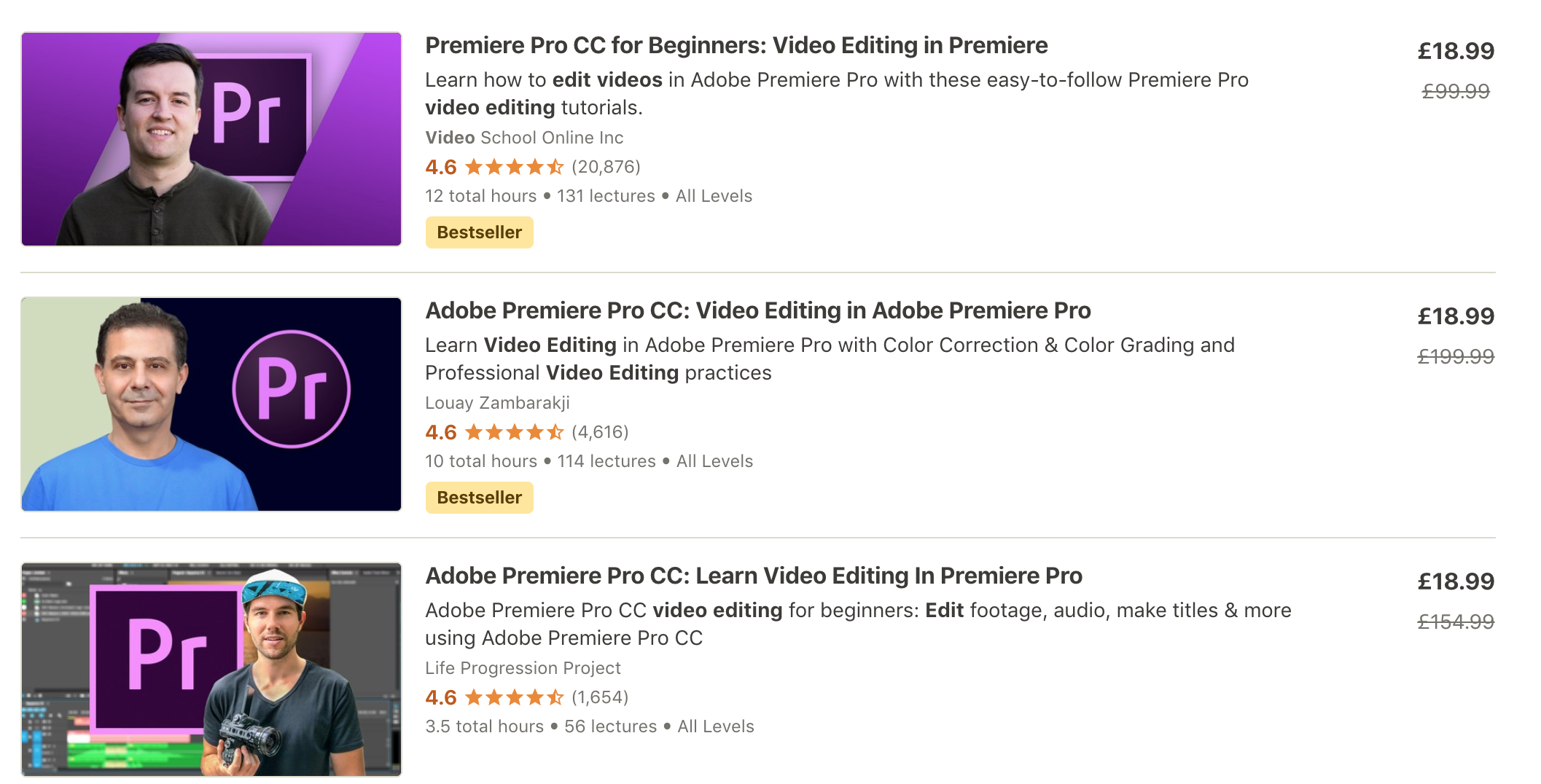
With thousands of courses spanning a wide range of topics, navigating the Udemy marketplace can be a daunting task for learners. However, Udemy offers a variety of tools and features to help you find the right courses to suit your learning goals and preferences.
Exploring the Course Catalog
Udemy's course catalog is organized into various categories, making it easier to find courses within your areas of interest. You can browse through categories such as:
- Business and Entrepreneurship
- Design and Creativity
- Programming and Development
- Health and Fitness
- Personal Development
Additionally, you can use the search function to find courses based on specific keywords or topics.
Filtering and Sorting Options
Once you've narrowed down your search, Udemy provides several filtering and sorting options to refine your results further. You can filter courses based on:
- Ratings and reviews
- Price range
- Language
- Level (beginner, intermediate, advanced)
- Features (subtitles, downloadable resources, etc.)
Sorting courses by factors such as popularity, newest releases, or highest-rated can help you quickly identify the most relevant and valuable options.
Leveraging Course Previews and Reviews
Before enrolling in a course, Udemy allows you to access course previews, which typically include a few sample lectures or modules. This feature enables you to get a glimpse of the instructor's teaching style, the quality of the content, and the overall structure of the course.
Additionally, reading through student reviews can provide valuable insights into the course's strengths, weaknesses, and overall effectiveness. Pay attention to reviews that highlight aspects such as the instructor's expertise, the depth of the material, and the quality of the learning experience.
The Power of Udemy: Transforming Lives through Online Education

Online education platforms like Udemy have revolutionized the way we approach learning, making it more accessible, flexible, and affordable than ever before. The transformative power of Udemy lies in its ability to empower individuals, nurture lifelong learning, and drive positive change in various aspects of life.
Empowering Individuals with Knowledge and Skills
Udemy's vast collection of courses covers a wide range of topics, from technical skills like programming and data analytics to personal development, creative pursuits, and beyond. By providing access to high-quality educational resources, Udemy empowers individuals to acquire new knowledge and develop valuable skills that can enhance their careers, unlock new opportunities, or simply pursue their passions.
Fostering Lifelong Learning and Continuous Growth
In today's rapidly evolving world, the ability to adapt and continuously learn is crucial for personal and professional success. Udemy promotes a culture of lifelong learning by offering a diverse range of courses that cater to various learning styles and preferences. Whether you're looking to upskill in your current profession, explore a new field, or simply indulge your curiosity, Udemy provides a platform for continuous growth and self-improvement.
Driving Positive Change through Education
Education has the power to transform lives, communities, and societies. By making high-quality education more accessible and affordable, Udemy contributes to breaking down barriers and creating opportunities for individuals from diverse backgrounds. Through its courses, Udemy empowers learners to acquire the knowledge and skills needed to tackle real-world challenges, drive innovation, and contribute to positive change in their respective fields.
Democratizing Education and Empowering Instructors
Not only does Udemy benefit learners, but it also empowers instructors by providing a platform to share their expertise with a global audience. Instructors from various backgrounds and disciplines can leverage Udemy to monetize their knowledge, reach learners worldwide, and contribute to the democratization of education.
Udemy's Impact on the Future of Learning: Trends and Innovations
As technology continues to shape the way we live and learn, Udemy stands at the forefront of innovation in online education. The platform's commitment to embracing new trends and technologies has positioned it as a driving force in shaping the future of learning.
Microlearning and On-Demand Content
In today's fast-paced world, learners often seek bite-sized, on-demand content that can be consumed quickly and efficiently. Udemy has embraced the trend of microlearning by offering a wide range of short courses and tutorials that cater to busy professionals and those seeking targeted knowledge. These micro-courses enable learners to acquire specific skills or knowledge in a condensed format, making learning more accessible and convenient.
Personalized and Adaptive Learning
Udemy recognizes that every learner is unique, with diverse learning styles, preferences, and goals. To enhance the learning experience, the platform is exploring innovative technologies such as adaptive learning algorithms and personalized course recommendations. By tailoring the learning experience to individual needs and preferences, Udemy aims to provide a more engaging and effective educational experience.
Augmented and Virtual Reality in Education
The integration of augmented and virtual reality (AR/VR) technologies in education is gaining traction, and Udemy is at the forefront of this trend. Imagine immersive learning experiences where you can virtually explore historical sites, visualize complex concepts, or practice hands-on skills in a simulated environment. Udemy is actively exploring partnerships and collaborations to incorporate AR/VR into its course offerings, providing learners with an unparalleled and engaging learning experience.
Mobile Learning and On-the-Go Education
With the ubiquity of smartphones and tablets, mobile learning has become a crucial aspect of online education. Udemy has embraced this trend by optimizing its platform and courses for mobile devices, enabling learners to access educational content anytime, anywhere. Whether you're commuting, traveling, or simply enjoying leisure time, Udemy's mobile-friendly platform ensures that learning is always within reach.
Continuous Innovation and Collaboration
Udemy's commitment to innovation extends beyond embracing new technologies. The platform actively collaborates with industry experts, educational institutions, and technology partners to explore new avenues for enhancing the learning experience. By fostering an environment of continuous innovation and collaboration, Udemy positions itself as a leader in shaping the future of online education.
Udemy vs. Other Platforms: Comparing the Top Online Learning Options

While Udemy has established itself as a leading player in the online learning marketplace, it is not the only platform catering to the growing demand for digital education. To make an informed decision, it's essential to understand how Udemy compares to other prominent platforms in the market.
Comparing Course Variety and Quality
When evaluating online learning platforms, one crucial aspect to consider is the variety and quality of courses offered. Udemy boasts a vast library of courses across numerous categories, ranging from technical subjects like coding and IT to soft skills such as communication and leadership. The platform's open marketplace model allows anyone to create and publish courses, leading to a diverse selection of content.
On the other hand, platforms like Coursera and edX partner with universities and institutions to offer more structured and academically rigorous courses. These platforms often provide certificates or even degrees upon course completion, adding credibility to the learning experience. While Udemy focuses on practical skills and professional development, Coursera and edX cater more to academic and career advancement needs.
In terms of quality, Udemy courses vary widely depending on the instructor. While the platform offers user reviews and ratings to guide learners, the lack of stringent quality control measures means that course quality can be inconsistent. In contrast, Coursera and edX maintain higher quality standards due to their partnerships with renowned educational institutions, ensuring a more consistent learning experience.
Pricing and Affordability
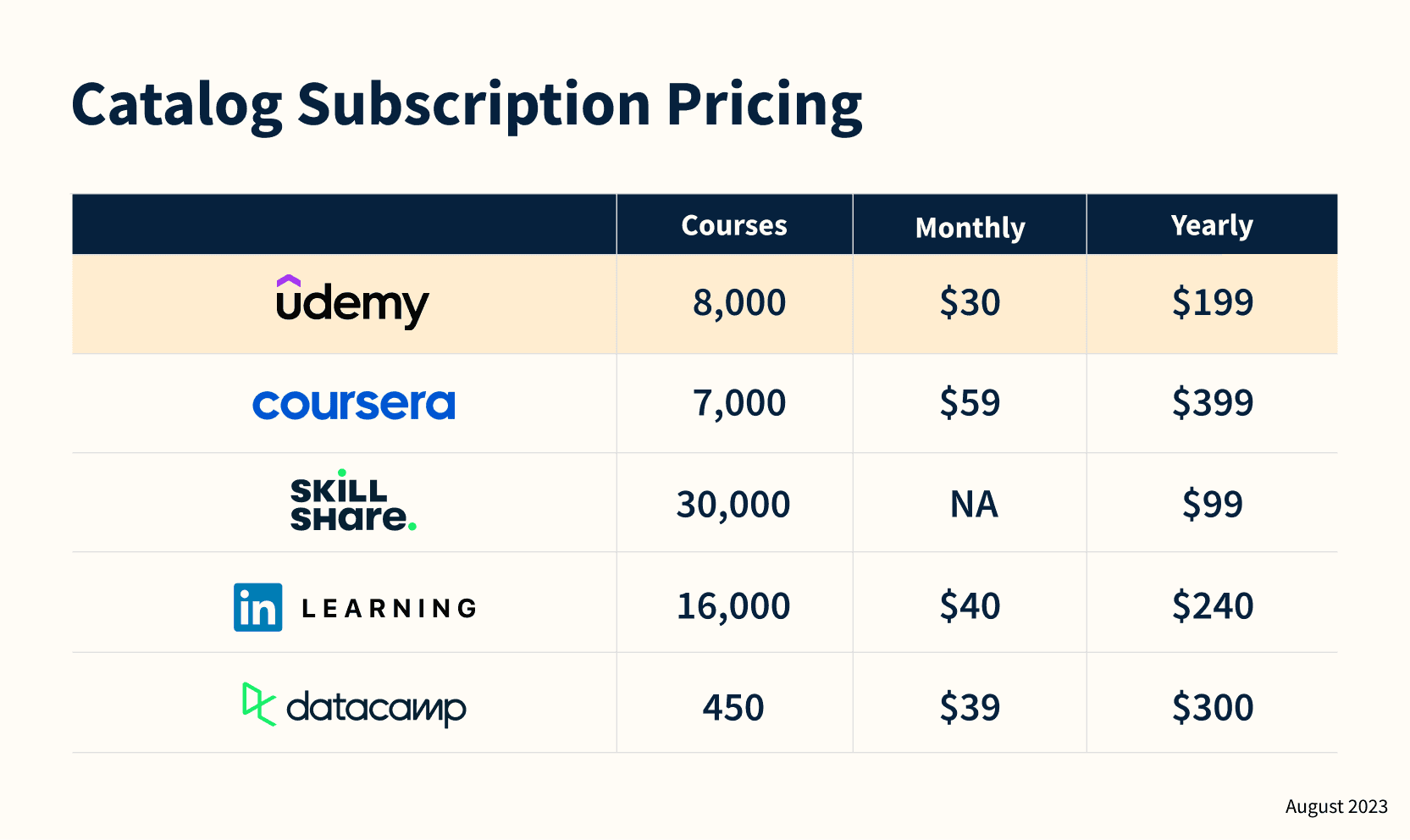
Another significant factor to consider when comparing online learning platforms is pricing and affordability. Udemy is known for its budget-friendly approach, with most courses available for a one-time purchase at a relatively low cost. Additionally, the platform frequently runs promotions and discounts, making it accessible to learners on a tight budget.
Coursera and edX, on the other hand, operate on a freemium model, where courses can be audited for free, but certificates or graded assignments come at a price. While this allows for greater flexibility and the option to sample courses before committing financially, pursuing a certificate or degree can significantly increase the overall cost compared to Udemy.
It's essential to weigh your budget constraints and learning goals when choosing between platforms. If you're looking for affordable, practical skills training, Udemy may be the ideal choice. However, if you seek accredited courses from top universities or institutions, Coursera or edX might better align with your academic or career aspirations.
Learning Experience and Engagement
The learning experience plays a vital role in online education, influencing knowledge retention, motivation, and overall satisfaction. When comparing Udemy to other platforms, factors such as course structure, interactivity, and learner engagement come into play.
Udemy courses are typically self-paced and feature a mix of video lectures, quizzes, assignments, and supplementary resources. While this flexibility appeals to independent learners seeking convenience, some may find the lack of structured learning paths or interactive elements less engaging.
Coursera and edX, with their focus on academic rigor and guided learning, offer a more structured approach to course delivery. Learners benefit from scheduled deadlines, peer interaction through forums, and graded assessments that mimic traditional classroom settings. This format fosters a sense of community and accountability, enhancing the overall learning experience.
Ultimately, the choice between Udemy and other platforms boils down to your learning preferences, goals, and budget. Whether you prioritize practical skills, academic credentials, or interactive learning experiences, each platform has unique strengths that cater to different learning styles and objectives.
Monetizing Your Skills: Making Money as a Udemy Instructor
One of the key attractions of Udemy for educators and subject matter experts is the opportunity to monetize their knowledge and skills by creating and selling online courses. Becoming a Udemy instructor can be a rewarding venture, allowing you to share your expertise with a global audience and generate passive income. Here are some essential steps to successfully monetize your skills on Udemy.
Identify Your Niche and Expertise
Before creating a course on Udemy, it's crucial to identify your niche and area of expertise. Consider your professional background, skills, passions, and knowledge areas that align with market demand. Conduct market research to assess the popularity and competition in your chosen niche, ensuring there is a viable audience for your course.
By focusing on a specific niche where you have expertise and credibility, you can differentiate yourself from competitors and attract learners seeking specialized knowledge. Whether it's web development, digital marketing, photography, or personal development, carving out a niche will help you establish authority and appeal to a targeted audience.
Create High-Quality, Engaging Content
The success of your Udemy course hinges on the quality and relevance of your content. Invest time and effort in creating engaging lectures, practical demonstrations, quizzes, and assignments that resonate with your target audience. Structure your course logically, breaking down complex topics into digestible modules that flow seamlessly.
Utilize multimedia elements such as videos, slideshows, animations, and downloadable resources to enhance the learning experience. Incorporate real-world examples, case studies, and practical exercises to reinforce key concepts and ensure hands-on learning. By delivering high-quality content that adds value to learners, you can build a positive reputation and attract more students to your course.
Optimize Your Course for Success
To maximize the visibility and profitability of your Udemy course, it's essential to optimize various aspects of your course creation and promotion. Start by crafting a compelling course title, description, and promotional video that clearly communicate the benefits and outcomes of taking your course. Use relevant keywords and tags to improve searchability and attract organic traffic to your course page.
Pricing your course strategically can also impact its success on Udemy. Consider offering introductory discounts or bundling multiple courses to incentivize enrollment. Leverage Udemy's promotional tools, such as coupons, referrals, and affiliate marketing, to reach a broader audience and drive sales.
Engage with your students actively by responding to questions, providing feedback, and fostering a sense of community within your course. Encourage reviews and testimonials from satisfied learners to build social proof and credibility, which can influence prospective students' purchasing decisions.
Continuously Improve and Promote Your Courses
The online learning landscape is dynamic, with evolving trends, technologies, and learner preferences. As a Udemy instructor, it's essential to stay updated on industry developments, gather feedback from students, and iterate on your courses to enhance their quality and relevance continually.
Monitor course performance metrics such as enrollment rates, completion rates, and student feedback to identify areas for improvement. Incorporate constructive feedback into future course updates, addressing any gaps or shortcomings to deliver a better learning experience.
Promoting your courses beyond the Udemy platform can also broaden your reach and attract more students. Utilize social media, email marketing, blogging, and partnerships with influencers or industry experts to showcase your expertise and drive traffic to your Udemy courses. Building a strong personal brand and online presence can establish you as a thought leader in your field and attract a loyal following of learners.
By following these strategies and best practices, you can effectively monetize your skills as a Udemy instructor, generate passive income, and make a meaningful impact on the online learning community.
The Business of Udemy: A Look at the Platform's Growth and Success
Since its inception in 2010, Udemy has experienced remarkable growth and success, establishing itself as a prominent player in the online learning industry. The platform's business model, revenue streams, strategic partnerships, and global reach have contributed to its sustained expansion and influence in the education sector.
Freemium Model and Revenue Generation
Udemy operates on a freemium model, allowing instructors to create and publish courses for free while sharing revenue with the platform upon course sales. This model incentivizes instructors to produce high-quality, marketable content and aligns Udemy's interests with those of its educators. Udemy typically takes a percentage of course sales, with instructors retaining the majority of the revenue.
In addition to course sales, Udemy generates revenue through advertising, corporate training programs, enterprise solutions, and international markets. The platform partners with businesses and organizations to provide customized learning solutions, employee training programs, and analytics tools to support workforce development and upskilling initiatives.
Strategic Partnerships and Content Expansion
UdemyUdemy has forged strategic partnerships with industry leaders, educational institutions, and technology providers to expand its course offerings and reach new audiences. Collaborations with companies like Microsoft, IBM, and Salesforce have led to the development of specialized courses in emerging technologies, digital skills, and professional certifications.
Furthermore, Udemy's international expansion efforts have facilitated access to a global learner base, with localized content, language support, and regional marketing initiatives. By tailoring its offerings to diverse markets and cultural contexts, Udemy has positioned itself as a truly global online learning platform, transcending geographical boundaries and language barriers.
Data Analytics and Personalization
Data analytics play a crucial role in Udemy's business strategy, enabling the platform to track user behavior, preferences, and learning outcomes. By leveraging data insights, Udemy can personalize the learning experience, recommend relevant courses, and optimize course discovery for learners. This data-driven approach enhances user engagement, retention, and satisfaction, ultimately driving revenue growth and platform loyalty.
Moreover, Udemy's focus on continuous innovation, user feedback, and market trends ensures that the platform remains agile and responsive to changing educational needs. By staying ahead of the curve in technology, pedagogy, and industry demands, Udemy sustains its competitive edge and cements its position as a leader in online education.
Social Impact and Community Engagement
Beyond its commercial success, Udemy has made significant strides in promoting social impact, diversity, and inclusion within the online learning ecosystem. The platform supports initiatives that empower underrepresented groups, bridge the digital skills gap, and promote lifelong learning opportunities for all.
Through partnerships with nonprofit organizations, educational foundations, and government agencies, Udemy extends its reach to marginalized communities, offering scholarships, mentorship programs, and skill-building resources. By fostering a culture of inclusivity and accessibility, Udemy contributes to a more equitable and diverse online learning landscape, where individuals from all backgrounds can thrive and succeed.
As Udemy continues to evolve and innovate in response to changing market dynamics and learner needs, its commitment to quality education, technological advancement, and social responsibility remains unwavering. The platform's business acumen, strategic vision, and dedication to empowering both learners and instructors underscore its enduring impact on the future of online education.
The Ethics of Online Learning: A Critical Examination of Udemy's Role
As online learning platforms like Udemy continue to reshape the educational landscape, questions surrounding ethics, accountability, and learner welfare come to the forefront. While Udemy offers numerous benefits in terms of accessibility, affordability, and flexibility, it also raises ethical considerations related to course quality, instructor credibility, and learner outcomes.
Ensuring Course Quality and Accuracy
One of the primary ethical concerns in online education is the assurance of course quality and accuracy. Given Udemy's open marketplace model, where anyone can create and publish courses, ensuring the credibility and reliability of course content becomes paramount. While the platform relies on user reviews, ratings, and moderation to maintain quality standards, instances of misinformation, outdated material, or subpar instruction can still arise.
To address this challenge, Udemy could implement stricter vetting processes, quality control mechanisms, and content guidelines to uphold academic integrity and educational excellence. By verifying instructors' credentials, conducting regular course audits, and soliciting feedback from learners, Udemy can enhance transparency and trust in its course offerings.
Upholding Instructor Accountability and Professionalism
Another ethical consideration revolves around instructor accountability and professionalism on Udemy. While the platform empowers educators to share their knowledge and expertise, it also places the onus on instructors to deliver accurate, engaging, and ethical content to learners. Instances of plagiarism, unethical practices, or misleading claims can tarnish the reputation of both the instructor and the platform.
UdemyUdemy could institute codes of conduct, ethical guidelines, and instructor training programs to promote best practices and ethical behavior among educators. By fostering a culture of integrity, respect, and professionalism, Udemy can cultivate a community of trustworthy instructors who prioritize learner well-being and educational excellence.
Safeguarding Learner Rights and Privacy
Protecting learner rights, privacy, and data security is a critical ethical consideration in the online learning environment. As learners engage with course content, interact with instructors, and share personal information on Udemy, safeguarding their privacy and ensuring data protection become imperative. Unauthorized data collection, misuse of learner information, or breaches of confidentiality can erode trust and compromise learner confidence in the platform.
Udemy must adhere to stringent data privacy regulations, encryption protocols, and transparent policies regarding data collection and usage. By prioritizing learner privacy, obtaining informed consent, and implementing robust security measures, Udemy can instill confidence in users and demonstrate a commitment to ethical conduct in online education.
Promoting Equity, Inclusivity, and Diversity
Ethical considerations in online learning extend to promoting equity, inclusivity, and diversity within educational spaces. As Udemy caters to a global audience with diverse backgrounds, cultures, and learning needs, it must strive to create an inclusive and welcoming environment for all learners. Discrimination, bias, or exclusionary practices have no place in the online learning community and should be actively addressed and mitigated.
Udemy can foster diversity and inclusivity by featuring a wide range of course topics, instructors from varied backgrounds, and multicultural perspectives in its content offerings. Embracing accessibility standards, providing language support, and accommodating diverse learning styles can ensure that all learners feel valued, respected, and empowered to pursue their educational goals on the platform.
Empowering Learners and Promoting Ethical Decision-Making
Ultimately, ethical considerations in online learning underscore the importance of empowering learners to make informed, ethical decisions about their educational journey. By equipping learners with critical thinking skills, digital literacy, and ethical awareness, Udemy can foster a culture of responsible learning, integrity, and intellectual curiosity among its user base.
Educating learners about plagiarism, copyright laws, academic honesty, and respectful online behavior can help mitigate ethical lapses and promote a culture of ethical conduct on the platform. Encouraging open dialogue, ethical dilemmas, and reflective practice within courses can further engage learners in ethical decision-making and moral reasoning, enhancing their overall learning experience and ethical development.
In conclusion, while online learning platforms like Udemy offer tremendous opportunities for education and skill development, they also raise complex ethical considerations that require thoughtful reflection and proactive measures. By prioritizing course quality, instructor professionalism, learner privacy, equity, and ethical empowerment, Udemy can uphold ethical standards, foster a culture of integrity, and contribute to a more ethical and sustainable online learning ecosystem.
Unlocking the Secrets of Udemy Success: Tips and Strategies for Learners and Instructors
As a thriving online learning marketplace, Udemy presents abundant opportunities for both learners and instructors to succeed and excel in their educational pursuits. By leveraging proven tips, strategies, and best practices, individuals can unlock the secrets of Udemy success and maximize their learning outcomes or teaching effectiveness on the platform.
For Learners:
- Set Clear Learning Goals: Before enrolling in a course on Udemy, define your learning objectives, desired outcomes, and expectations. Establish clear goals to guide your learning journey and motivate you to stay focused and committed throughout the course.
- Explore Diverse Course Offerings: Take advantage of Udemy's extensive library of courses spanning various topics, disciplines, and skill levels. Explore diverse course offerings to broaden your knowledge, discover new interests, and develop a well-rounded skill set that aligns with your personal or professional aspirations.
- Engage Actively with Course Content: Actively engage with course materials, lectures, assignments, and discussions to enhance your understanding and retention of key concepts. Take notes, ask questions, participate in quizzes, and apply your learning to real-world scenarios to deepen your comprehension and mastery of the subject matter.
- Seek Feedback and Support: Don't hesitate to reach out to instructors, peers, or Udemy's support team if you encounter challenges, have questions, or need clarification on course content. Seeking feedback and support can help you overcome obstacles, clarify doubts, and facilitate a more enriching learning experience.
- Practice Continuous Learning: Embrace a mindset of continuous learning and self-improvement by exploring new courses, acquiring diverse skills, and staying abreast of industry trends and developments. Cultivate a habit of lifelong learning to adapt to change, seize opportunities, and advance your personal and professional growth.
For Instructors:
- Identify Your Target Audience: Understand the needs, preferences, and learning styles of your target audience to tailor your course content, delivery, and engagement strategies effectively. Conduct market research, gather feedback, and create learner personas to ensure that your course resonates with your intended audience.
- Create Compelling and Engaging Content: Develop high-quality, engaging course content that captures learners' attention, maintains their interest, and facilitates active participation. Utilize multimedia elements, interactive activities, real-world examples, and storytelling techniques to enhance the learning experience and drive learner engagement.
- Provide Value and Practical Application: Focus on delivering value-added content that addresses learners' pain points, solves real-world problems, and offers practical applications of theoretical concepts. Help learners connect theory to practice, acquire actionable skills, and achieve tangible outcomes that enhance their personal or professional lives.
- Foster a Supportive Learning Environment: Create a supportive and inclusive learning environment where learners feel encouraged, motivated, and empowered to succeed. Foster a sense of community, encourage peer interaction, and provide timely feedback to nurture a collaborative and engaging learning experience for your students.
- Iterate and Improve Continuously: Solicit feedback from learners, analyze course performance metrics, and iterate on your course content based on insights and observations. Continuously seek opportunities for improvement, update outdated material, and incorporate learner suggestions to enhance the quality and relevance of your courses over time.
By implementing these tips and strategies, both learners and instructors can unlock the secrets of UdemyUdemy success, maximize their educational potential, and contribute to a vibrant and thriving online learning community.
Video
Conclusion
In conclusion, Udemy stands as a transformative force in the online learning landscape, offering a diverse array of courses, empowering individuals, and driving innovation in education. From unleashing the potential of instructors to transforming lives through accessible and affordable learning opportunities, Udemy has redefined how we acquire knowledge, develop skills, and pursue lifelong learning.
As learners navigate the Udemy marketplace to find courses that align with their goals and interests, they can leverage the platform's features, user reviews, and sample content to make informed decisions and embark on enriching learning journeys. By embracing the power of Udemy to foster continuous growth, drive positive change, and democratize education, individuals can unlock new possibilities and realize their full potential in an ever-evolving world.
Looking ahead, Udemy's impact on the future of learning is marked by trends and innovations such as microlearning, personalized education, AR/VR integration, and mobile learning, shaping the way we engage with educational content and acquire new skills. By comparing Udemy to other platforms, understanding its business model, examining ethical considerations, and uncovering success strategies, we gain a comprehensive view of the platform's role in the online education ecosystem.
Whether you're a learner seeking to expand your knowledge, an instructor aiming to share your expertise, or a stakeholder interested in the ethical implications of online learning, Udemy offers a dynamic and inclusive space for exploration, growth, and collaboration. By unlocking the secrets of Udemy success, embracing lifelong learning, and championing ethical practices, we can collectively shape a future where education is accessible, empowering, and enriching for all.
In essence, Udemy represents not just a marketplace for online courses, but a catalyst for personal and professional transformation, a hub of innovation and creativity, and a beacon of learning excellence in the digital age. As we embark on our educational journeys, let us embrace the






0 Comments