

Introduction
Evolution of Data Centers: A Brief Overview
Data centers have undergone significant transformation over the years, adapting to meet the increasing demands of modern technology. Initially serving as basic storage facilities, data centers have evolved into sophisticated hubs that play a vital role in supporting various digital services. Their evolution has been marked by advancements in networking technologies, storage solutions, and computing power.Key Factors Driving Data Center Evolution
The evolution of data centers has been primarily driven by factors such as the exponential growth of data generated globally, increasing demand for cloud services, and the need for enhanced cybersecurity measures. As businesses rely more on data-driven insights and real-time processing capabilities, data centers are continuously evolving to provide efficient and secure infrastructure to support these requirements. Furthermore, environmental considerations and energy efficiency have become key drivers shaping the design and operation of modern data centers.
Traditional Data Centers
Characteristics of Traditional Data Centers
**Traditional data centers** were characterized by on-premise hardware infrastructure, limited scalability, and high maintenance costs. They typically relied on physical servers for processing and storage needs.Challenges Faced by Traditional Data Centers
| Challenge | Description |
|---|---|
| Scalability | Limited scalability due to physical constraints of hardware components. |
| Cost | High maintenance and operational costs associated with managing physical servers and cooling systems. |
| Efficiency | Lack of energy efficiency compared to modern data center designs, resulting in higher operating expenses. |
Virtualization and Cloud Technology
Impact of Virtualization on Data Centers
**Virtualization technology** revolutionized data centers by enabling multiple virtual servers to run on a single physical server, optimizing resource utilization and scalability. It eliminated the need for extensive hardware infrastructure, reducing costs and enhancing flexibility in managing workloads.Role of Cloud Technology in Data Center Evolution
**Cloud technology** further transformed data centers by offering scalable resources on-demand through virtualized platforms. This shift towards cloud-based services allowed organizations to leverage cost-effective solutions, improve agility, and enhance disaster recovery capabilities.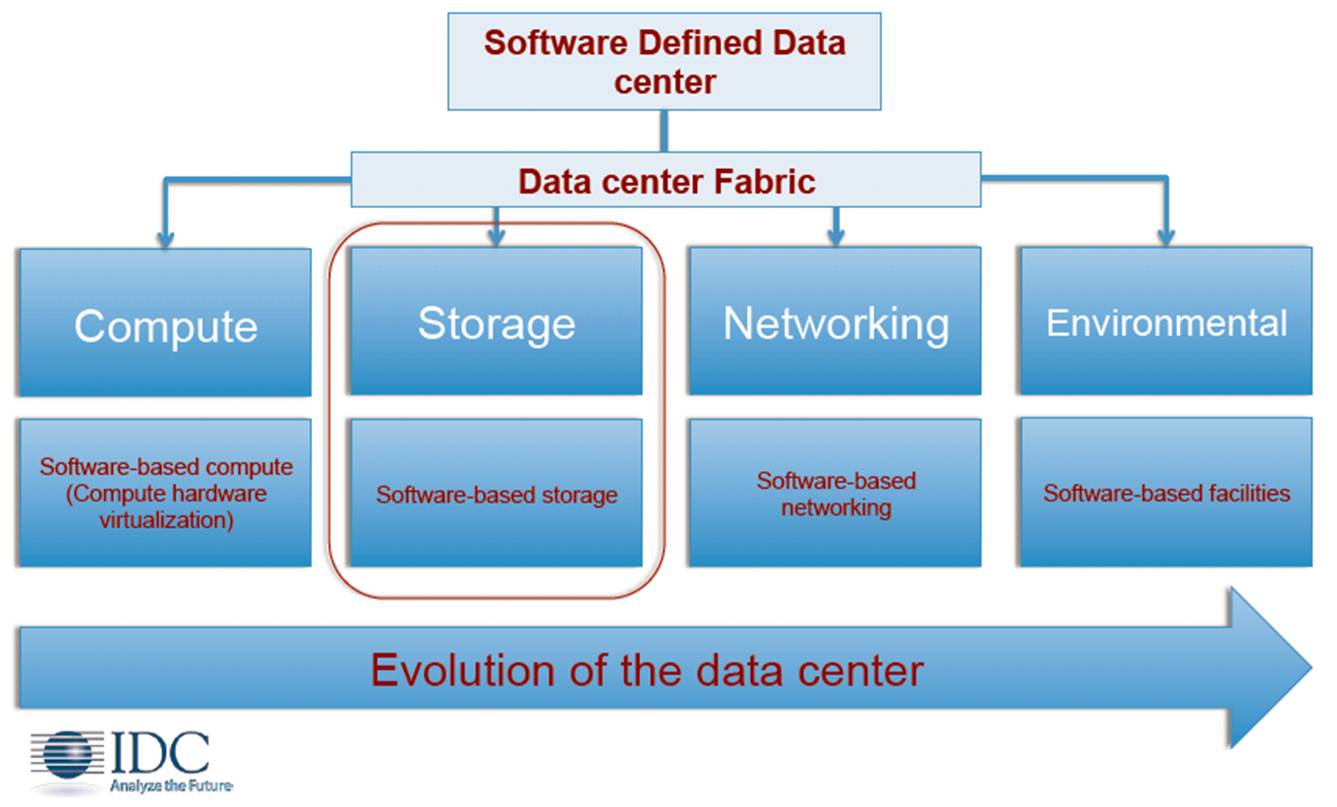
Software-Defined Data Centers
Introduction to Software-Defined Data Centers
**Software-Defined Data Centers** (SDDCs) redefined data center infrastructure by virtualizing and automating all resources, leading to increased efficiency and agility. SDDCs abstract hardware elements from the management layer, enabling centralized control of networking, storage, and computing resources. This technology simplifies data center operations through software-based management of infrastructure components.Benefits of Implementing Software-Defined Data Centers
Implementing **SDDCs** offers benefits such as improved scalability, reduced operational complexity, and enhanced security through policy-driven automation. Organizations can achieve faster deployment of services and applications while optimizing resource allocation based on dynamic workload requirements. Additionally, SDDCs facilitate seamless integration with cloud environments for hybrid IT solutions.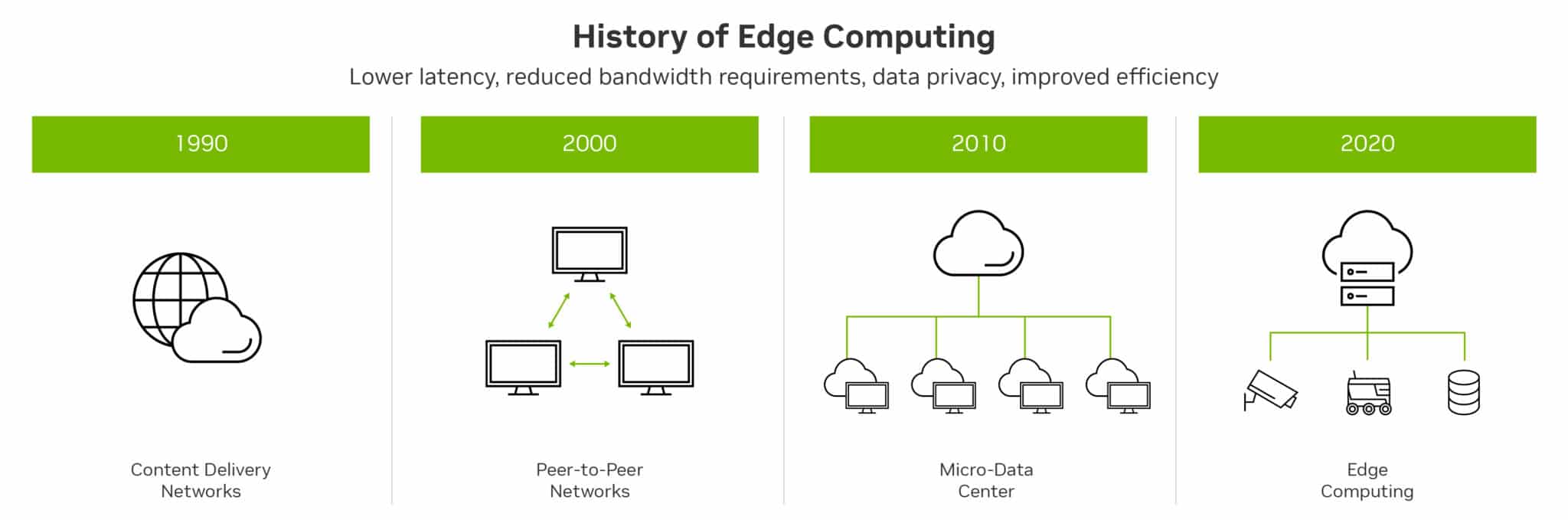
Edge Computing
Understanding Edge Computing in Data Centers
**Edge computing** brings computational processes closer to the data source, reducing latency and enhancing real-time decision-making. By processing data near the edge of the network, organizations can improve performance for critical applications and IoT devices. This decentralized approach minimizes data backhaul to central data centers, enabling faster response times and bandwidth utilization efficiency.Advantages of Edge Computing in Data Center Operations
Embracing **edge computing** leads to improved responsiveness, lower bandwidth costs, and enhanced reliability for distributed applications. With edge resources handling tasks locally, organizations can achieve reduced latency and optimized network traffic flow. Moreover, edge computing enhances data privacy and compliance by processing sensitive information closer to its origin point.
Edge Computing
Understanding Edge Computing in Data Centers
**Edge computing** brings computational processes closer to the data source, reducing latency and enhancing real-time decision-making. By processing data near the edge of the network, organizations can improve performance for critical applications and IoT devices. This decentralized approach minimizes data backhaul to central data centers, enabling faster response times and bandwidth utilization efficiency.Advantages of Edge Computing in Data Center Operations
Embracing **edge computing** leads to improved responsiveness, lower bandwidth costs, and enhanced reliability for distributed applications. With edge resources handling tasks locally, organizations can achieve reduced latency and optimized network traffic flow. Moreover, edge computing enhances data privacy and compliance by processing sensitive information closer to its origin point.Green Data Centers
Concept of Green Data Centers
Green data centers focus on reducing environmental impact by implementing energy-efficient technologies and sustainable practices in operations. These facilities aim to minimize carbon footprint through innovative design strategies that optimize power consumption and reduce waste generation.Sustainable Practices in Modern Data Center Design
Modern green data center design integrates renewable energy sources like solar panels or wind turbines to power infrastructure. Additionally, utilizing advanced cooling systems and efficient server configurations enhances energy efficiency without compromising performance. By prioritizing sustainability in construction materials and operational procedures, green data centers contribute to a more eco-friendly IT sector.
Edge Computing
Understanding Edge Computing in Data Centers
**Edge computing** involves bringing computational processes closer to data sources, reducing latency, and facilitating real-time decision-making. This approach improves the performance of critical applications and IoT devices by processing data near the network edge. By decentralizing operations, organizations can enhance response times, optimize network traffic flow, and ensure efficient bandwidth utilization.Advantages of Edge Computing in Data Center Operations
Implementing **edge computing** results in enhanced responsiveness, reduced bandwidth costs, and increased reliability for distributed applications. Localized task handling at the edge leads to minimized latency and improved network efficiency. Furthermore, this strategy enhances data privacy compliance with sensitive information processed closer to its origin point.Green Data Centers
Concept of Green Data Centers
Green data centers prioritize environmental sustainability through energy-efficient technologies and sustainable operational practices. These facilities focus on minimizing carbon footprint by incorporating design strategies that optimize power consumption and reduce waste generation.Sustainable Practices in Modern Data Center Design
Modern green data center designs integrate renewable energy sources such as solar panels and wind turbines for power provision while implementing advanced cooling systems and server configurations to boost energy efficiency without compromising performance standards. Additionally, a commitment to sustainable construction materials further contributes to eco-friendly IT infrastructure.Hyperconverged Infrastructure
Hyperconverged Infrastructure
Exploring Hyperconverged Infrastructure in Data Centers
Hyperconverged infrastructure combines storage, networking, virtualization, and compute resources into a single integrated platform. This streamlined approach simplifies management tasks while enhancing agility and scalability within data center environments.Efficiency and Scalability Benefits of Hyperconvergence
By consolidating multiple components into a unified solution, hyperconverged infrastructure optimizes resource utilization, reduces complexity, and facilitates seamless scalability based on evolving business requirements. The modular nature of hyperconvergence allows for flexible expansion while maintaining operational efficiency across various workloads.
Data Center Automation
Significance of Automation in Modern Data Centers
**Data center automation** plays a crucial role in optimizing operational efficiency and enabling seamless management of resources. By automating routine tasks, organizations can streamline workflows, reduce human errors, and improve overall productivity within data center operations.Automation Tools and Technologies for Data Center Management
From configuration management tools to orchestration platforms, **data center automation** leverages various technologies to automate provisioning, monitoring, and maintenance processes. These tools empower IT teams to efficiently manage complex infrastructure while ensuring consistent performance levels across diverse workloads.






0 Comments