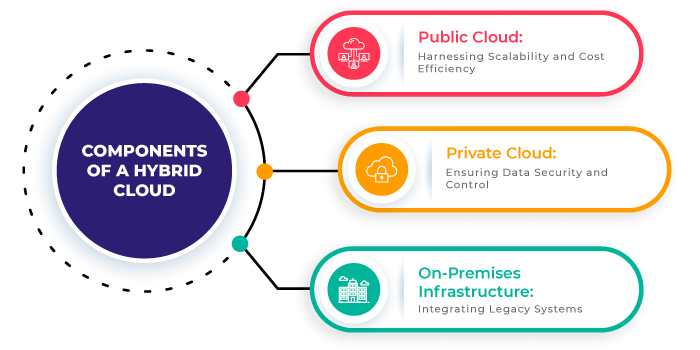
As a professional, I understand **Hybrid Cloud Computing** as a strategic approach that combines the advantages of both on-premises infrastructure and public cloud services. The benefits of hybrid clouds include **flexibility**, **scalability**, **cost-effectiveness**, and **increased security**. With this approach, organizations can securely store sensitive data on-premises while leveraging the agility and efficiency of the public cloud for other workloads.
Hybrid Cloud Deployment Models
When it comes to deployment models, there are two common approaches:
Model
Description
Public-Private Hybrid Cloud
Combines resources from both public and private clouds, offering customization options while utilizing external resources for scalability.
On-Premises Integration with Public Cloud
Connects an organization's existing data center to a cloud service provider, allowing for seamless data transfer and workload distribution.
Source: bigid.com
Understanding Hybrid Cloud Computing
Definition and Benefits of Hybrid Cloud
As a professional, I understand **Hybrid Cloud Computing** as a strategic approach that combines the advantages of both on-premises infrastructure and public cloud services. The benefits of hybrid clouds include **flexibility**, **scalability**, **cost-effectiveness**, and **increased security**. With this approach, organizations can securely store sensitive data on-premises while leveraging the agility and efficiency of the public cloud for other workloads.
Hybrid Cloud Deployment Models
When it comes to deployment models, there are two common approaches: Connects an organization's existing data center to a cloud service provider, allowing for seamless data transfer and workload distribution.
Model
Description
Public-Private Hybrid Cloud
Combines resources from both public and private clouds, offering customization options while utilizing external resources for scalability.
On-Premises Integration with Public Cloud
.
Implementing a Hybrid Cloud Strategy
Planning and Considerations for Hybrid Cloud Adoption
Integration of Public and Private Cloud Environments
Source: blogs.emorphis.com
Security and Compliance in Hybrid Cloud
Data Protection and Encryption in Hybrid Cloud
As a professional, I prioritize **data protection** and **encryption** in hybrid cloud environments. Implementing robust encryption techniques ensures that data remains secure both on-premises and in the public cloud. By utilizing strong encryption methods, sensitive information is shielded from unauthorized access, mitigating potential security risks.
Compliance Regulations and Best Practices
Adhering to **compliance regulations** and following best practices is crucial for maintaining security in a hybrid cloud environment. Staying compliant with industry standards such as GDPR or HIPAA helps organizations avoid legal repercussions while also fostering trust with customers. It is essential to regularly audit the hybrid cloud infrastructure to ensure continuous compliance adherence.Source: mlfk3cv5yvnx.i.optimole.com
Hybrid Cloud Management Tools
Automation and Orchestration Solutions for Hybrid Cloud
In my professional role, I rely on **automation** and **orchestration** tools to streamline operations in hybrid cloud environments. Automated processes enhance efficiency and reduce the risk of human errors, ensuring seamless deployment of resources across different cloud platforms. Orchestration solutions help in coordinating tasks between on-premises infrastructure and the public cloud, optimizing performance and resource utilization.
Monitoring and Performance Optimization in Hybrid Cloud Environments
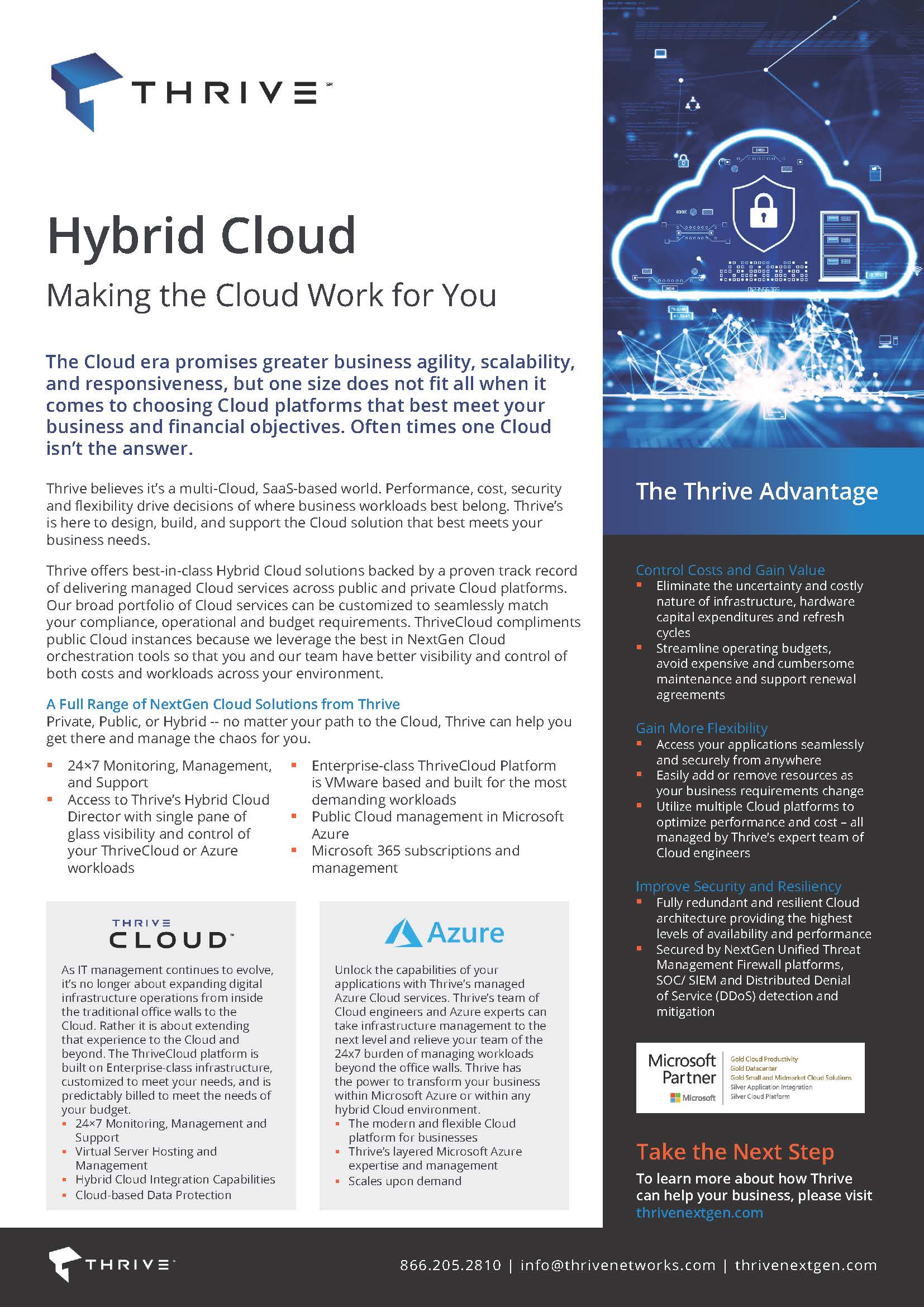
Monitoring plays a critical role in maintaining optimal performance in hybrid cloud setups. Utilizing **monitoring tools** allows me to track system health, detect anomalies, and address issues proactively. Continuous monitoring enables timely intervention, ensuring that the hybrid environment operates at peak efficiency. Additionally, performance optimization techniques help fine-tune resource allocation based on real-time data analysis.Source: thrivenextgen.com
Cost Optimization in Hybrid Cloud
Managing Expenses and Budgeting in Hybrid Cloud
In my role, managing expenses and budgeting are paramount in optimizing costs within hybrid cloud environments. By **monitoring** usage patterns and analyzing cost allocation across different platforms, I can ensure efficient spending while meeting performance requirements. Setting clear budget limits and utilizing cost management tools help maintain financial control without compromising operational effectiveness.
Resource Allocation and Scalability in Hybrid Cloud Infrastructure
Efficient resource allocation is key to balancing performance needs with cost optimization. Leveraging **scalability features** allows me to dynamically adjust resources based on demand, ensuring optimal utilization without overspending. This flexibility ensures that the hybrid cloud infrastructure can seamlessly adapt to changing workloads, enhancing agility and maximizing cost-effectiveness.







0 Comments