

Introduction to Virtualization
What is Virtualization?
Virtualization has opened a whole new world of possibilities for me. It allows me to create virtual versions of servers, operating systems, storage devices, and more. By using virtualization technology, I can optimize resources, run multiple applications on a single server, and enhance scalability.Benefits of Virtualization
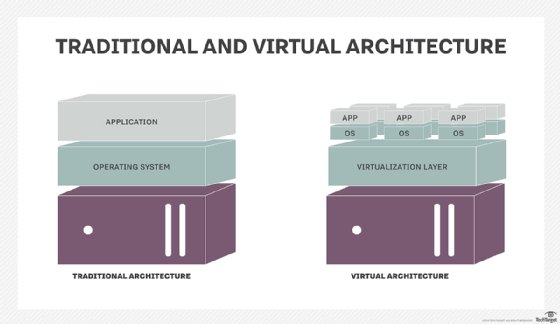
**When comparing traditional IT infrastructure with virtualized environments:**| Traditional IT Infrastructure | Virtualized Environments |
|---|---|
| Limited resource utilization | Optimized resource usage |
| High energy consumption | Energy-efficient operations |
| Scalability challenges | Easy scalability options |
Embracing virtualization has truly transformed the way I work, making tasks more efficient and flexible.
Types of Virtualization
Hardware Virtualization
Virtualizing hardware components like servers, storage, and networking has optimized my resource utilization. It allows me to run multiple virtual machines on a single physical server efficiently.Software Virtualization
Through software virtualization, I can create isolated environments for applications without affecting the host system. This method enhances flexibility in testing different software configurations.Note: Embracing both types of virtualization has immensely improved my workflow and efficiency.
Virtualization in Cloud Computing
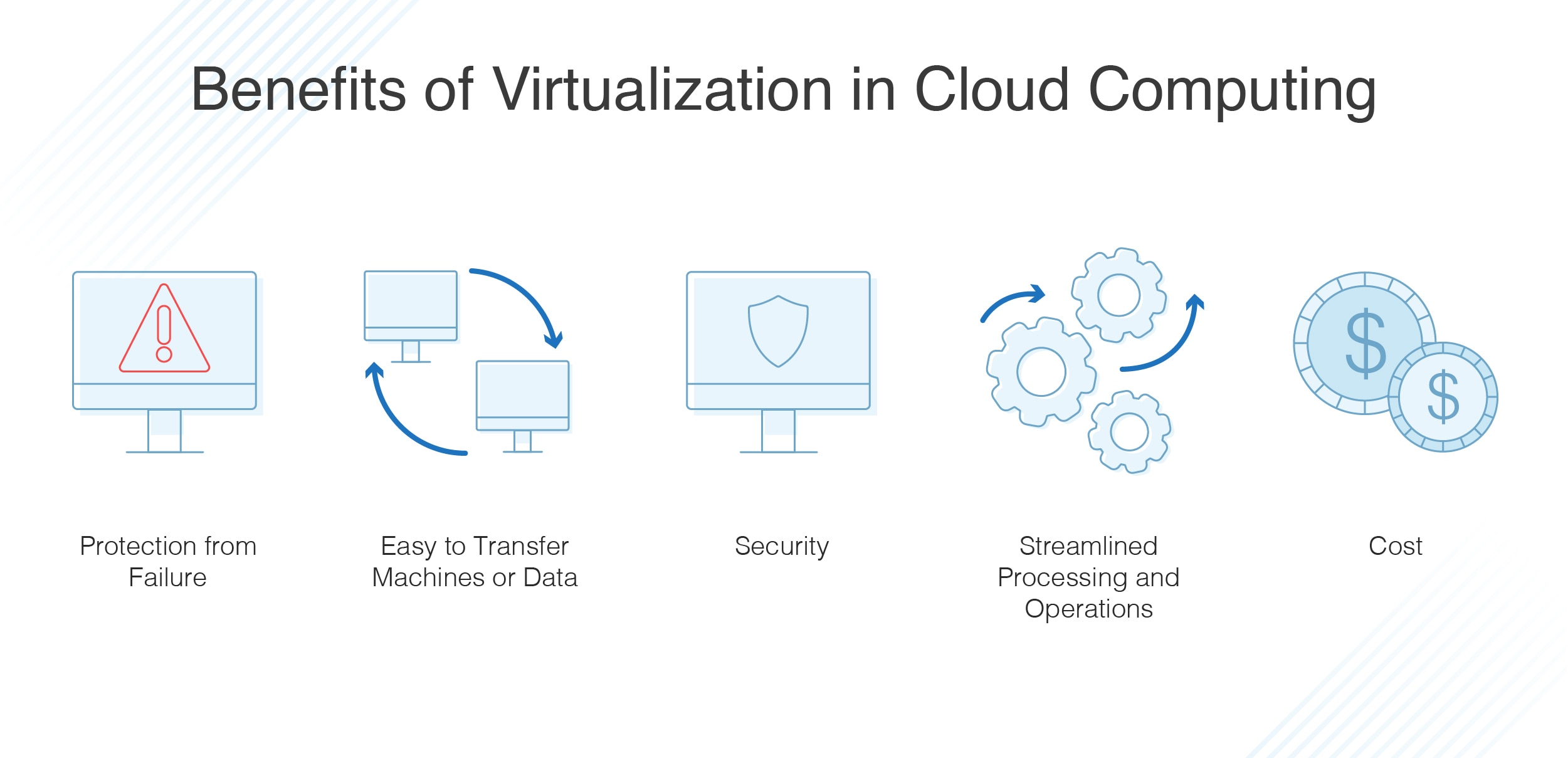
In my experience, embracing hardware virtualization has been a game-changer. It enables me to optimize resource utilization by running multiple virtual machines on a single physical server efficiently. Moreover, software virtualization has provided me with isolated environments for applications without affecting the host system. This flexibility allows me to test different software configurations seamlessly.
Virtual Machines in Cloud Computing
Containerization for Virtualization
Role of Virtualization in Data Centers
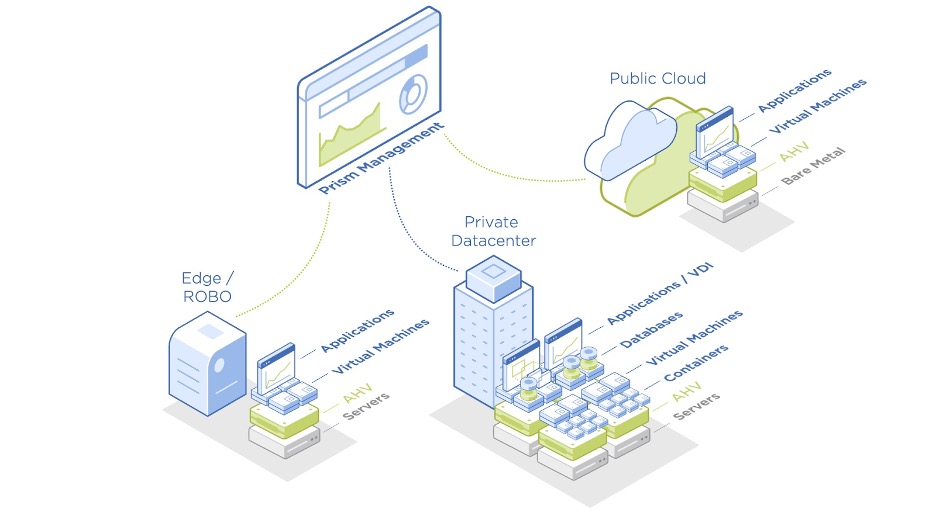
In my experience, embracing hardware virtualization has truly transformed the way I manage resources in the cloud. It empowers me to efficiently run multiple virtual machines on a single physical server, optimizing performance and scalability. Additionally, software virtualization offers me the flexibility to create isolated environments for applications, ensuring seamless testing without any impact on the host system. This has enhanced my ability to experiment with different software configurations effortlessly.
Server Virtualization
Storage Virtualization






0 Comments